

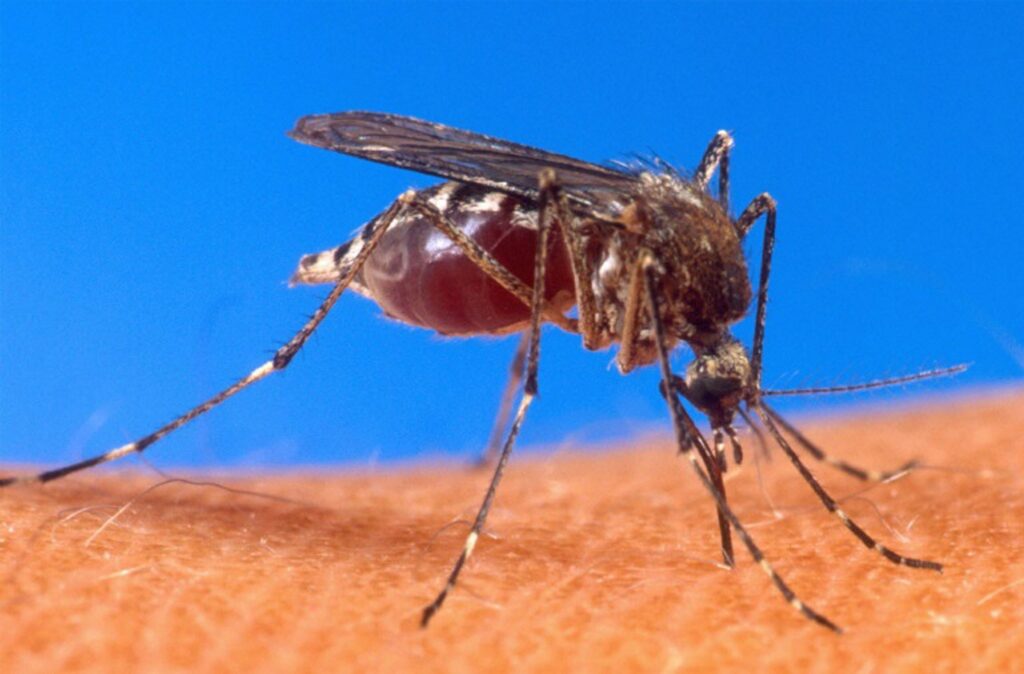
BRUSSELS — Belgium is watching the spread of West Nile virus after tests found the mosquito borne virus in animals and mosquitoes around Mechelen. The finding has raised concern about possible human infections, but experts say there is no reason for panic.
Mechelen city authorities issued a warning after tests showed that West Nile virus is circulating among horses and mosquitoes in the area. Hospitals and doctors were asked to keep the virus in mind when checking patients with possible symptoms.
The Red Cross has also taken action. From Monday, it began testing blood donors from the area around Vilvoorde, just outside Brussels, for signs of possible infection. The move is aimed at reducing the small but serious risk of the virus entering the blood supply.
West Nile virus is mainly carried by mosquitoes. The insects can pick up the virus when they bite infected birds. They can then pass it to humans and horses through later bites.
Experts say birds play a key role in the natural spread of the virus. Corvids and birds of prey are among the birds that can carry the virus. Humans and horses are not a main part of the virus cycle, which means they do not usually spread the virus further.
Professor Hans Nauwynck, head of the Laboratory of Veterinary Virology at the University of Ghent, said the virus was first found in birds in Belgium last year. He said recent findings in horses show that the virus is now circulating more widely.
For most people, a West Nile infection causes no clear symptoms. About one in four infected people may develop signs such as fever, headache or muscle pain. In rare cases, the virus can affect the brain or nervous system. Such infections can lead to serious illness.
The risk of human to human spread is considered very low. The chance of a mosquito becoming infected after biting a person is also low because the amount of virus in human blood is usually small.
Blood transfusions are different. A donor can have the virus without knowing it. A large amount of donated blood could then create a higher risk of infection for a patient. This is why testing donors in areas where the virus is active can help protect the blood supply.
Belgian authorities are also urging people to take care around mosquitoes. Simple steps can lower the chance of bites. People can use insect repellent, wear clothes that cover the arms and legs, and use screens on windows where possible.
People should also avoid leaving standing water around homes. Water in buckets, flower pots and other containers can give mosquitoes places to breed. Removing such water can help reduce local mosquito numbers.
The discovery near Mechelen comes as West Nile virus is being seen in more parts of Europe. Warmer weather can help some mosquito species survive and multiply. Changes in bird movement can also help the virus reach new areas.
Belgium has not reported a large human outbreak from the current findings. Health experts are still watching the situation closely because many infections can pass without symptoms. This makes the true level of spread difficult to measure.
Testing can help give a clearer picture. Experts can look for signs of past infection in blood samples. Such tests can show whether a person or animal has been exposed to the virus.
There is a vaccine for horses, but there is no widely used human vaccine for West Nile virus. Treatment for people is mainly based on care for symptoms. Severe cases may need hospital treatment, especially when the nervous system is affected.
Health workers, blood services and local authorities are now watching for signs of further spread. The coming weeks will be important as mosquito activity continues. For the public, avoiding bites remains the main simple step to reduce risk.
The findings also show why animal health and human health are closely linked. Early testing in mosquitoes and animals can give health teams useful warning before a wider human problem develops. Belgium is using that early warning to watch the situation near Brussels and beyond.

