

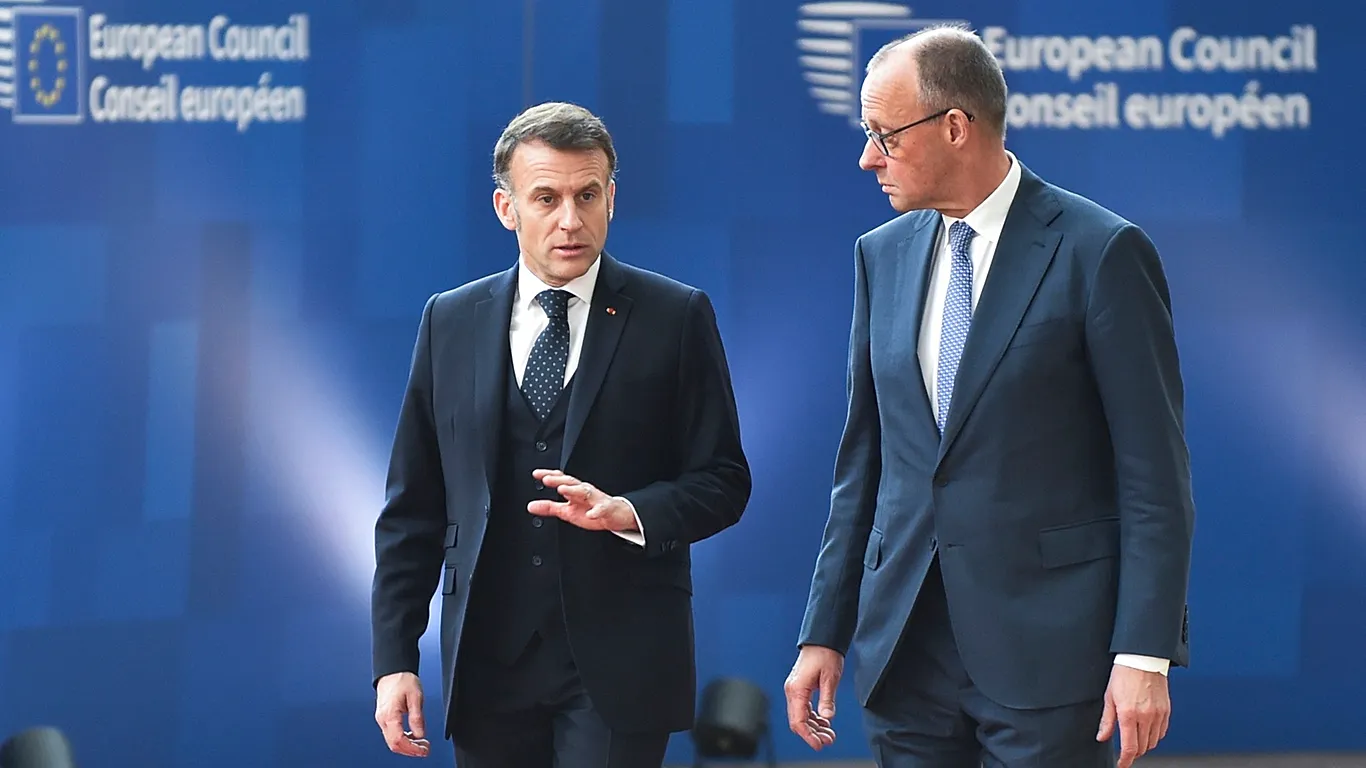
EU summit Brussels talks have brought together leaders from all 27 member states to discuss some of the most pressing global and economic challenges facing the European Union. The two day meeting in Brussels focuses on the war in Ukraine, growing tensions with China, and the bloc’s next long term budget worth around 2 trillion euros.
European Union leaders are meeting at a time of rising geopolitical pressure, with the ongoing war in Ukraine remaining the central issue. The summit follows recent diplomatic discussions at the G7 meeting in France, where support for Ukraine and sanctions against Russia were also highlighted.
Ukrainian President Volodymyr Zelenskyy is attending the opening session of the summit to push for continued military and financial support. He is also expected to raise Ukraine’s long term goal of joining the European Union, a topic that has sparked debate among member states.
The EU is preparing new sanctions against Russia as the war continues to strain global energy and security systems. Officials say the goal is to increase pressure on Moscow while supporting Ukraine’s defense efforts and future peace negotiations.
Ursula von der Leyen has emphasized the need to maintain strong unity among member states and continue coordinated action on sanctions and defense policy. However, EU countries remain divided over how quickly and deeply to escalate support measures.
Another major topic at the summit is the growing economic challenge posed by China. EU leaders are increasingly concerned about trade imbalances, with all member states reporting deficits in trade with Beijing for the first time last year.
Officials say concerns over industrial competitiveness and dependence on Chinese supply chains have become more urgent. Some countries support a tougher stance on Chinese subsidies and trade practices, while others warn that stricter measures could harm European businesses and trigger retaliation.
The debate reflects a broader shift in EU thinking, with growing recognition that current trade relations with China may not be sustainable in their current form. However, there is still no agreement on a unified strategy.
Migration, drug trafficking, and Middle East tensions are also on the agenda, adding to an already packed summit schedule. Leaders are expected to discuss how to strengthen border security and improve cooperation on cross border crime.
A major focus of the summit is the European Union’s next long term budget, valued at approximately 2 trillion euros. The budget will determine spending priorities across defense, climate policy, economic development, and social programs for the coming years.
Negotiations over the budget are expected to be complex, as member states have different priorities and financial pressures. Wealthier countries often push for fiscal discipline, while others advocate for increased funding for development and cohesion programs.
Germany is also expected to present ideas for alternative integration models for countries like Ukraine, including proposals for associate membership. This would allow closer cooperation without full EU membership, but the idea has received mixed reactions from both Kyiv and EU capitals.
Friedrich Merz has suggested that such a model could include observer participation in EU meetings and limited security guarantees. However, officials say full EU membership must remain based on strict criteria and long term reforms.
Diplomats stress that enlargement must follow a merit based process, warning that speeding up membership could undermine trust within the bloc. Concerns have also been raised about public support in some EU countries for rapid expansion.
The summit highlights growing divisions within the EU over how to respond to global economic and security challenges. While there is broad agreement on the problems, leaders remain split on the best solutions.
As discussions continue, the EU faces pressure to balance unity with differing national interests. The outcomes of the Brussels summit are expected to shape the bloc’s foreign policy, economic strategy, and enlargement plans for years to come.

