

The European Union has urged Albania to take immediate action over a controversial resort project linked to the Trump family. The warning comes as environmental groups and local protesters raise alarm about damage to a protected wetland area in the country’s south.
The European Commission said Albania must fully follow EU environmental laws if it wants to move forward in its membership process. The statement was made after growing concerns about a luxury resort planned near the Vjosa-Narta lagoon, a key biodiversity zone in the Mediterranean region.
Thousands of people protested last week against the project. It is reportedly backed by Jared Kushner, the son-in-law of former US President Donald Trump. Protesters say the development threatens one of Albania’s most important natural ecosystems. Environmental groups also warn of long-term damage to wildlife.
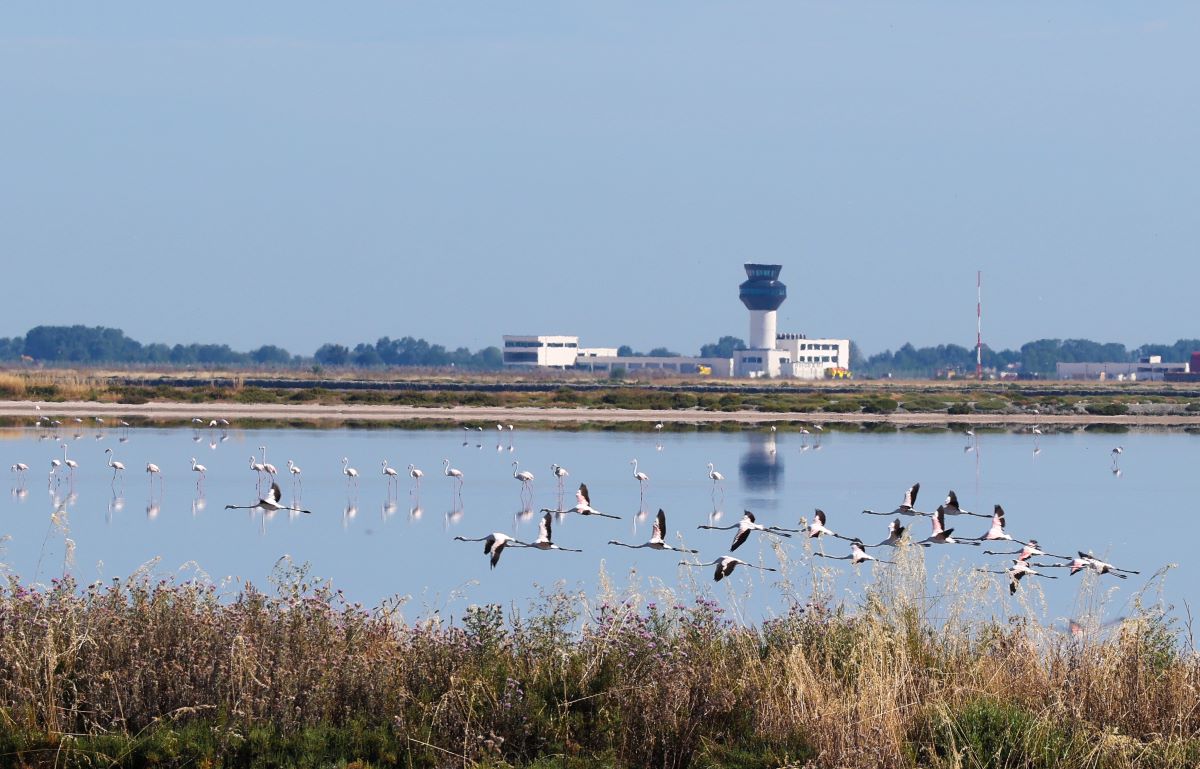
The Vjosa-Narta lagoon is home to more than 70 endangered species and over 200 migratory species. These include flamingos, Mediterranean monk seals, and nesting sea turtles. Conservation groups say construction could destroy habitats and disrupt migration routes. They argue the area must remain fully protected under international environmental rules.
European Commission spokesperson Guillaume Mercier said the bloc expects Albanian authorities to act without delay. He stressed that EU environmental laws are not optional for countries seeking membership. He said alignment with EU rules is required at every stage of the accession process.
Albania is currently working through EU membership negotiations. One of the key areas is Chapter 27, which covers environment and climate change. Under this chapter, candidate countries must adopt strict EU rules on nature protection. These include the Birds and Habitats Directives, which protect biodiversity and endangered species across Europe.
The EU also pointed to Albania’s 2015 Law on Strategic Investments. The law allows fast approval of large development projects. However, EU officials say such projects must still follow strict environmental standards. They say economic development cannot override ecological protection rules.
Reports suggest Albania’s environment minister Sofjan Jaupaj has ordered a full environmental impact assessment. He has also reportedly paused construction activities linked to the project. This move came after pressure from the European Commission and environmental organizations.
The controversy began after conservation group BirdLife and other NGOs reported construction activity near the lagoon. Bulldozers and barriers were seen along the site before being removed following public backlash. Environmental groups say the early work raised serious concerns about transparency and planning.
Prime Minister Edi Rama responded to the criticism on social media. He said no official building permit had been issued and no construction had started. He also said there was no final design for the project yet. He questioned how local protests turned into an international issue.
Despite the criticism, he defended the idea of the resort. He said it could help transform Albania into a major luxury tourism destination. He also argued that the project could bring environmental benefits, including more green space and tree planting than currently exists in the area.
The government has already made legal changes affecting protected land. In February 2024, amendments to Albania’s protected areas law allowed tourism projects in zones that were previously strictly protected. Critics say this opens the door to development in sensitive ecosystems.
BirdLife conservation expert BirdLife International said that infrastructure like Vlora International Airport had already affected the same protected region. They warned that continued development could weaken biodiversity protection rules in the area.
The EU has also previously raised concerns about these legal changes. In its official position on Albania’s accession process, the Commission warned that such reforms must not weaken environmental protections. Officials said candidate countries must maintain strict ecological safeguards while pursuing economic growth.
The Vjosa-Narta lagoon is considered one of Europe’s most important wetland ecosystems. Environmental experts say it plays a key role in bird migration routes and coastal biodiversity. They warn that large-scale construction could permanently alter its natural balance.
EU officials say Albania must prove it can meet environmental standards before joining the bloc. They stress that compliance is a key requirement, not a choice. The Commission has repeated that accession progress depends on full alignment with EU laws.
The dispute has now become a test case for Albania’s EU ambitions. It highlights tensions between economic development, foreign investment, and environmental protection. The European Commission says it will continue to monitor the situation closely.
Albania’s government insists it remains committed to EU membership and reform. However, environmental groups say real action is needed on the ground. They warn that failure to protect the lagoon could damage both biodiversity and Albania’s international reputation.

