

Brussels education protest movements drew thousands of people into the streets as citizens voiced strong opposition to new education reforms introduced by the French Community government in Belgium.
The demonstration began at Poelaert Square near the Palace of Justice, where an initial group of around 500 to 1,000 participants gathered, according to Dutch-language broadcaster VRT. The crowd gradually expanded as more protesters joined the march through the central parts of the city.
At its peak, police estimated that around 2,500 people took part in the demonstration. The march later moved toward Brussels Central Station, passing through Regentschapsstraat and Koningsplein as participants continued to express their concerns.
The protest focused on recently introduced education reforms by the government of the French Community. Demonstrators said the changes would negatively affect the education system and placed additional pressure on teachers and students.
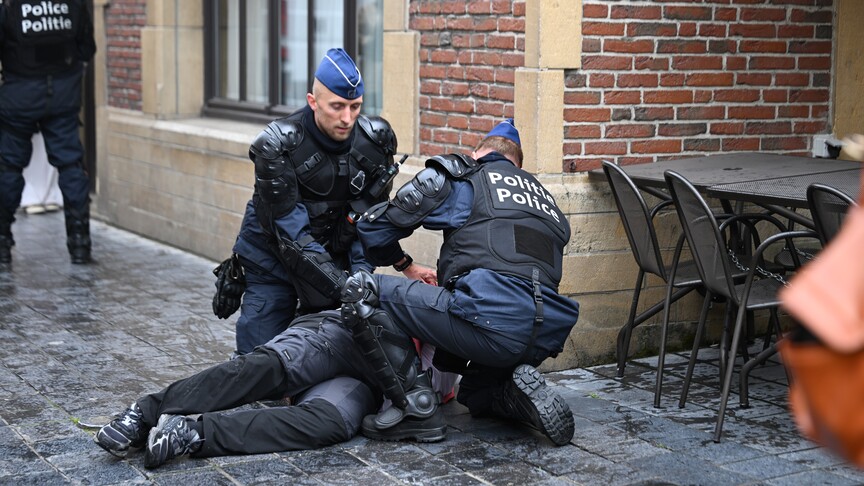
Many participants also criticized what they described as excessive police violence during earlier demonstrations linked to the same issue. These concerns added to existing tensions between education groups and authorities.
Despite the size of the gathering, the protest at Poelaert Square remained mostly peaceful throughout the day. Some isolated incidents included the use of firecrackers and fireworks, but no major violence was reported.
Police maintained a visible presence in the area but stayed at a distance and did not intervene directly during the main demonstration. Authorities later confirmed that no significant incidents occurred during the event.
However, earlier in the day, tensions were reported near Brussels Central Station and the Mont des Arts area. In those locations, shared bicycles and electric scooters were set on fire, raising concerns ahead of the main march.
The unrest comes amid ongoing dissatisfaction within the French-speaking education sector, even after the Parliament of the French Community approved the contested reforms.
Teachers’ groups, students, and education activists argue that the changes could negatively impact working conditions and the quality of education. They have continued to call for revisions to the policy.
A protest collective known as Mars Attacks! announced that mobilization efforts will continue in the coming days. The group said further demonstrations or actions are planned daily over the next two weeks across several cities in Wallonia.
Authorities are closely monitoring the situation as education-related tensions continue to grow. While most of the Brussels protest remained peaceful, earlier incidents have increased concern about potential escalation in future demonstrations.
The Brussels education protest highlights ongoing divisions between government policymakers and education sector groups over the direction of reforms and their impact on schools and staff.
As further actions are planned, both protesters and officials are preparing for continued discussions and possible disruptions across the region.

