

The European Union’s planned Association Agreement with Andorra and San Marino is facing renewed scrutiny after concerns were raised over rule of law practices and financial disputes in both microstates, according to an opinion analysis by former Irish minister Dick Roche.
The agreement, described by EU Commissioner Maroš Šefčovič as potentially the bloc’s most comprehensive arrangement with any third country, has gained broad institutional support within the European Commission, Council, and Parliament. However, critics argue that unresolved legal controversies in both countries raise questions about whether deeper integration should proceed without stricter safeguards.
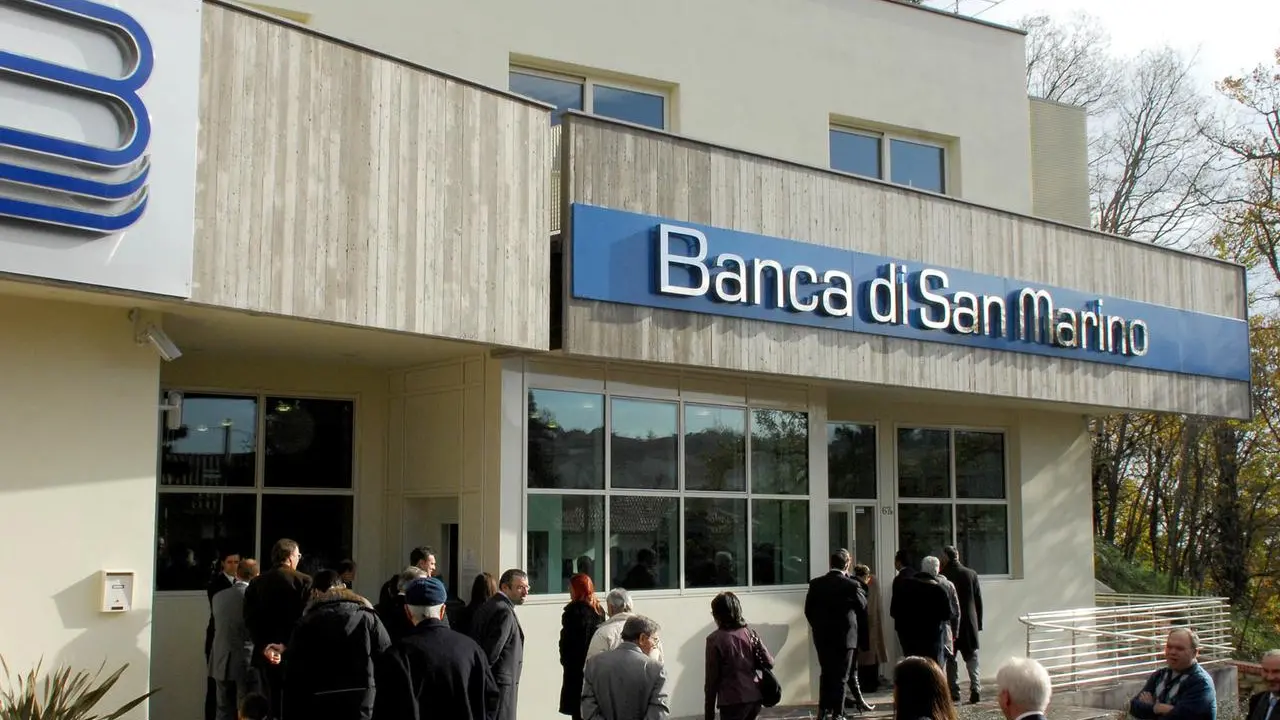
One of the central issues highlighted in the analysis involves a dispute in San Marino linked to the seizure of funds held at Banca di San Marino. The case involves allegations of irregular financial activity, blocked transactions, and judicial intervention following investigations initiated by local financial authorities.
According to the account, funds connected to a proposed bank acquisition were frozen or moved during ongoing legal proceedings. Authorities later rejected applications related to the share purchase, effectively ending the transaction and triggering disputes over access to the remaining assets.
The case has also raised concerns about the conduct of financial oversight bodies and judicial authorities in San Marino, with critics alleging inconsistencies in enforcement and questions about transparency in decision-making processes.
A separate case referenced in the analysis involves Andorra and the collapse of Banca Privada d’Andorra (BPA) in 2015 after U.S. financial authorities flagged the institution under anti-money laundering provisions. The case led to swift action by local authorities, including the seizure of the bank and legal proceedings against its leadership.
The BPA case later became controversial after legal disputes and court decisions in Spain and Andorra produced mixed outcomes. Some defendants were cleared in Spanish proceedings, while other investigations in Andorra continued, raising questions about consistency in legal standards and due process.
The analysis argues that both cases highlight broader concerns about how financial regulation and legal enforcement are applied in small jurisdictions operating under complex international pressure. It suggests that political considerations may have influenced regulatory outcomes, though these claims remain disputed.
Supporters of the EU agreement argue that closer integration with Andorra and San Marino could strengthen regulatory standards and align both jurisdictions more closely with European norms. The Association Agreement is intended to extend parts of the EU single market framework while requiring adherence to governance and rule of law principles.
However, critics say the agreements should not move forward without deeper examination of past financial disputes and legal controversies. They argue that stronger oversight mechanisms may be needed to ensure compliance with EU standards before full implementation.
The debate also reflects broader EU concerns about financial transparency, anti-money laundering enforcement, and judicial independence in partner states seeking closer ties with the bloc.
In San Marino, the financial dispute case has sparked ongoing legal and political debate, particularly around the handling of seized funds and the role of regulatory institutions. Authorities in the country maintain that actions taken were based on legal and financial risk assessments.
In Andorra, the BPA case continues to be cited in discussions about governance and regulatory accountability, especially regarding how international intelligence and domestic enforcement interact in sensitive financial cases.
The opinion piece concludes that while the EU Association Agreement is ambitious and strategically significant, it must be accompanied by robust scrutiny of rule of law practices. Without that, critics warn, deeper integration could expose the EU to reputational and legal risks.
As discussions continue in Brussels, the debate underscores the tension between expanding the EU’s external partnerships and ensuring that partner countries fully meet its governance standards.

