

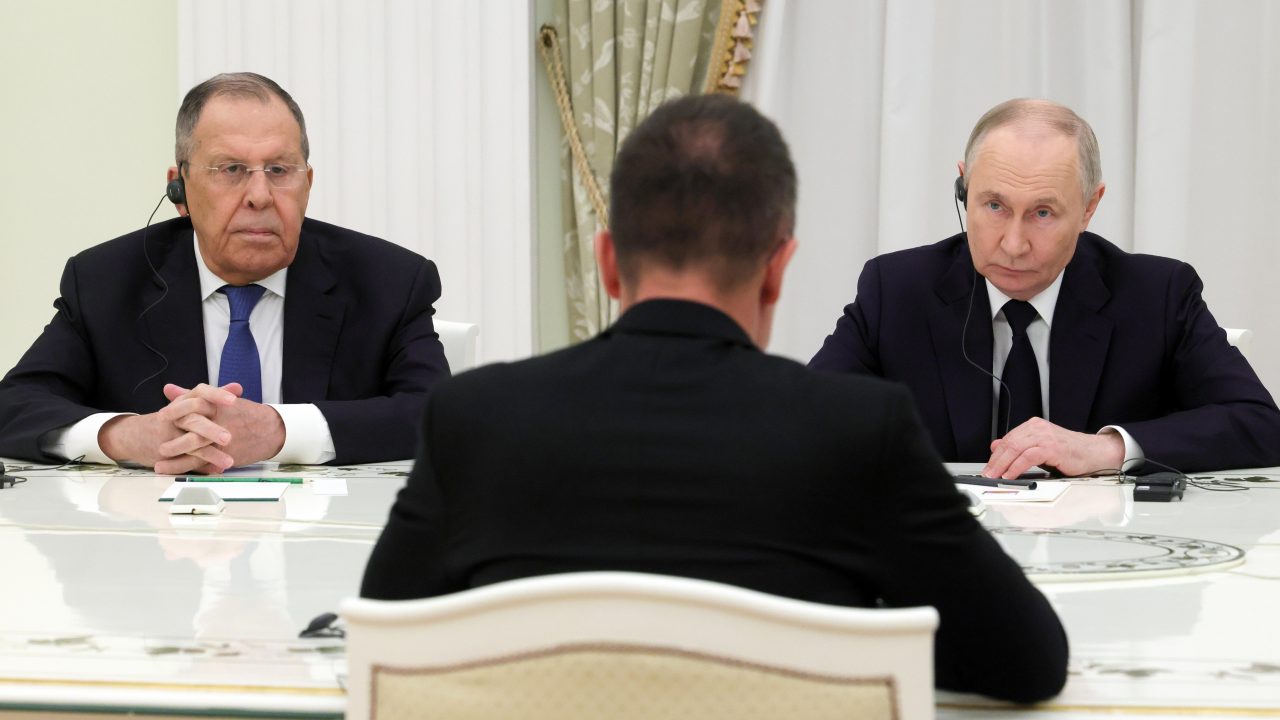
Concerns over EU Russia Informal Talks are growing in Brussels after reports that some members of the European Parliament continue to meet Russian officials outside official channels. The issue highlights tension between EU sanctions policy and the independence of elected lawmakers.
The controversy resurfaced after a recent European Parliament session in Strasbourg on 30 April 2026. An email circulated by Luxembourg MEP Fernand Kartheiser described a “successful and constructive meeting” with Russian lawmakers held in Istanbul.
The meeting reportedly included members of the European Parliament and representatives of Russia’s State Duma. There is no official EU framework for such contacts due to suspended relations.
EU Russia Informal Talks have been restricted since 2014, after Russia’s annexation of Crimea. They were further limited following the 2022 invasion of Ukraine.
Kartheiser also invited colleagues to attend the St. Petersburg International Economic Forum in June. He offered assistance with travel arrangements, which has triggered attention in Brussels.
Kartheiser was previously removed from the European Conservatives and Reformists group after attending an event in Moscow. He has defended his actions, saying they are personal initiatives aimed at maintaining dialogue.
He stated that his meetings are funded privately and not carried out on behalf of the European Parliament. He also refused to disclose other participants, citing potential political consequences.
The European Parliament has reiterated that there is no official cooperation with Russian parliamentary bodies. It also confirmed that Russian and Belarusian representatives are not allowed inside Parliament buildings.
However, EU Russia Informal Talks remain legally possible because MEPs are not bound by strict mandates. They can engage in external contacts as private individuals.
Transparency records do not show other confirmed participants in the Istanbul meeting. However, reports suggest that informal contacts may be more widespread across political groups.
The issue has added to growing concerns about foreign influence in EU institutions. Lawmakers and analysts warn that unofficial communication channels may undermine formal EU policy.
Recent leaks and investigations have also raised questions about influence operations linked to foreign governments. These developments have intensified scrutiny in Brussels.
European Commission President Ursula von der Leyen has previously warned about external influence risks. She has stressed the importance of strengthening EU enlargement and institutional safeguards.
EU Russia Informal Talks are now seen as part of a broader debate on transparency and ethics in European politics. Officials are questioning whether current rules are strong enough.
The European Parliament maintains that official relations with Russia remain frozen. However, informal contacts continue to raise concerns about consistency in policy enforcement.
Some lawmakers argue that dialogue should be maintained even during conflict. Others say such meetings risk undermining EU unity and sanctions policy.
The controversy also touches on broader geopolitical tensions involving Russia and Europe. Sanctions, security policy, and Ukraine remain central issues in EU decision-making.
As discussions continue, Brussels faces pressure to clarify boundaries between personal political activity and institutional representation. The debate over EU Russia Informal Talks is expected to continue within EU institutions.

