

Sanctions and Tariffs Take Center Stage
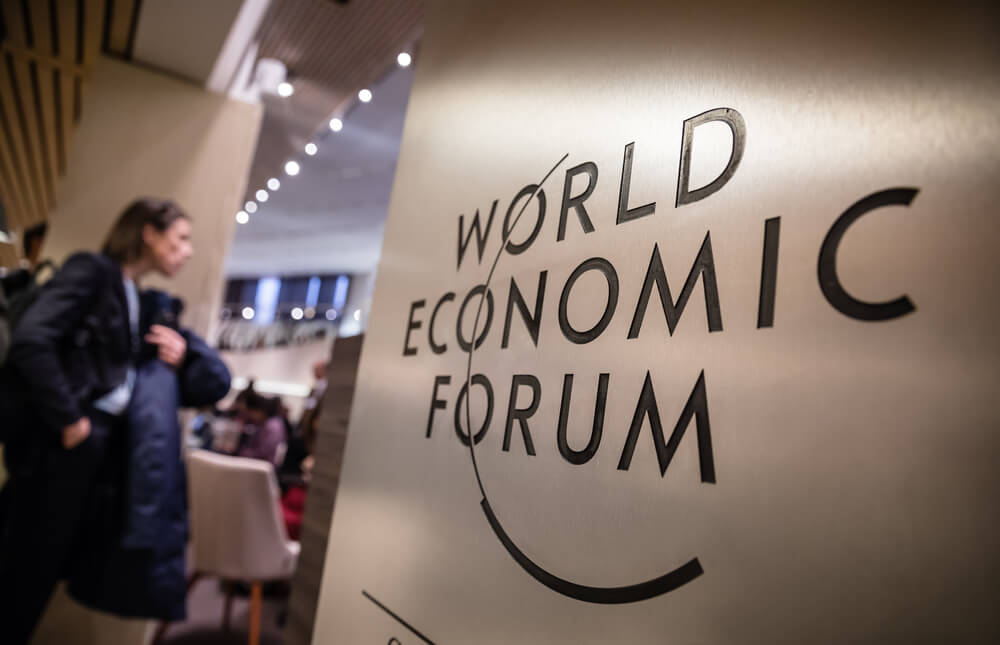
Economic conflict between powerful nations has become the biggest danger to global stability, according to the World Economic Forum’s Global Risks Report 2026. The report, released ahead of the WEF’s annual Davos summit, identifies geoeconomic confrontation — the use of tools such as sanctions, trade restrictions, and tariffs — as the top global risk for the year ahead. It now ranks above misinformation, political polarization, extreme weather, and even armed conflict. The findings reflect input from more than 1,300 experts and leaders across business, government, academia, and civil society.
Survey results paint a worrying picture: half of respondents expect the world to be turbulent or stormy over the next two years, while only a small minority foresee stability. Looking a decade ahead, most anticipate prolonged global instability. WEF Managing Director Saadia Zahidi described the report as an early warning system in an era where growing competition and economic rivalry are reshaping the world’s ability to manage shared risks.
A Fragmented Global Order Emerges
The rise of economic confrontation comes after a year of dramatic shifts in global trade policy. US President Donald Trump’s aggressive use of tariffs and import taxes has disrupted international commerce and strained businesses and consumers worldwide. At the same time, ongoing geopolitical tensions and rivalries have increased fears that cooperation between major powers is breaking down.
Nearly seven in ten experts surveyed believe the world is heading toward a multipolar or fragmented order over the next decade. Economic risks are climbing rapidly, with fears of downturns, inflation, mounting debt, and potential asset bubbles all rising in prominence. The WEF warns that supply chains, financial markets, and global crisis response systems could all suffer under sustained economic conflict.
Technology, Climate, and Social Strain Add Pressure
Beyond economic warfare, misinformation and disinformation rank as the second most serious short-term global risk, followed closely by cyber insecurity. Concerns over artificial intelligence are also rising fast, particularly its impact on jobs, social stability, and security. Societal polarization and inequality remain deeply interconnected threats, continuing to undermine trust and cooperation within nations.
Environmental dangers, while slightly lower in short-term rankings, still dominate long-term concerns. Extreme weather, biodiversity loss, and irreversible changes to Earth’s systems are viewed as the most severe risks over the next decade. Three-quarters of respondents expect environmental conditions to worsen significantly.
Zahidi emphasized that none of these threats are inevitable, but tackling them will require global cooperation. She stressed that the world faces a defining moment where political, economic, technological, and environmental pressures are converging — and how leaders respond next will shape the future.

