

Washington signals military option
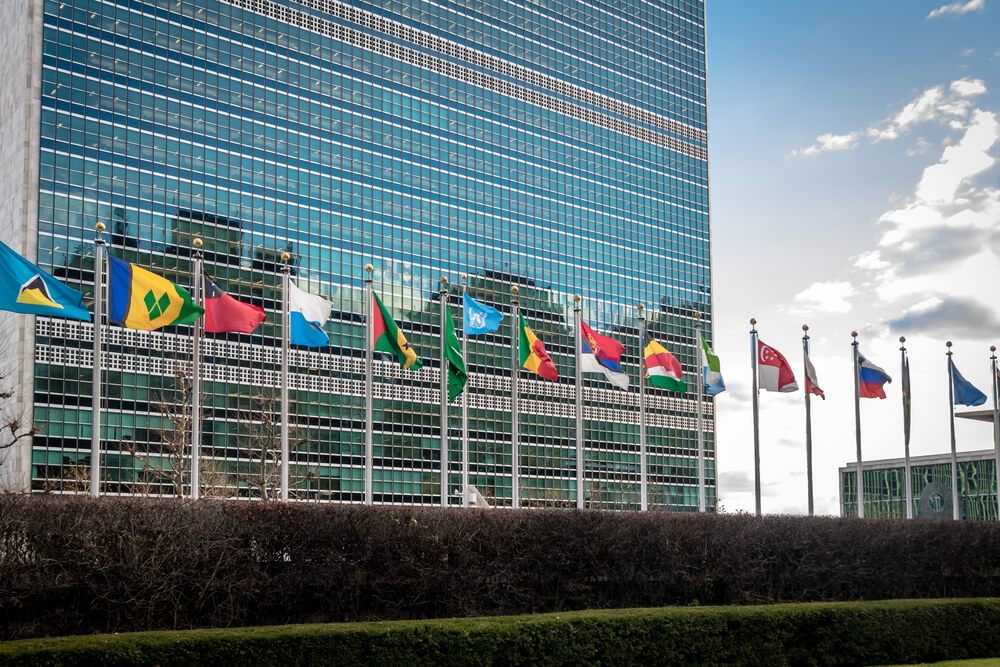
The United States has issued a stark warning to Iran, saying military intervention remains a possibility if authorities continue using lethal force against protesters. Speaking at an emergency meeting of the UN Security Council, US Ambassador Mike Waltz said President Donald Trump is prepared to act if the crackdown persists.
Waltz told the council that Trump is “a man of action,” stressing that all options remain available to stop what he described as the killing of civilians. While the warning raised fears of escalation, Trump later suggested the violence may be easing, hinting at a potential de-escalation if conditions improve.
Iran pushes back at the UN
Iran strongly rejected the US accusations during the Security Council session. Deputy Ambassador Hossein Darzi accused Washington of deliberately fueling unrest and using human rights claims as a pretext for political destabilization and possible military intervention. He said the US was attempting to disguise hostile intentions behind what he called a “humanitarian narrative.”
The exchange highlighted the growing diplomatic standoff as protests inside Iran appeared to lose momentum under heavy security measures and a near-total communications blackout. Videos of demonstrations have largely stopped circulating, and residents in Tehran reported quieter streets, with signs of overnight clashes and gunfire fading in recent days.
Mounting death toll and growing pressure
Despite the apparent slowdown, the human cost has been staggering. Human rights groups say at least 2,677 people have been killed during the crackdown, making it the deadliest wave of anti-government protests since Iran’s 1979 revolution. Sources inside the country fear the true number could be far higher, possibly reaching 15,000 deaths over the past three weeks.
The protests began in late December, driven by the collapse of the rial and worsening economic conditions. In response, Washington announced new sanctions targeting Iranian officials accused of ordering or enabling violence against demonstrators, including a senior national security figure. The G7 and the European Union are also weighing additional sanctions, with European Commission President Ursula von der Leyen saying the EU is looking to intensify pressure to force change in Tehran.

