

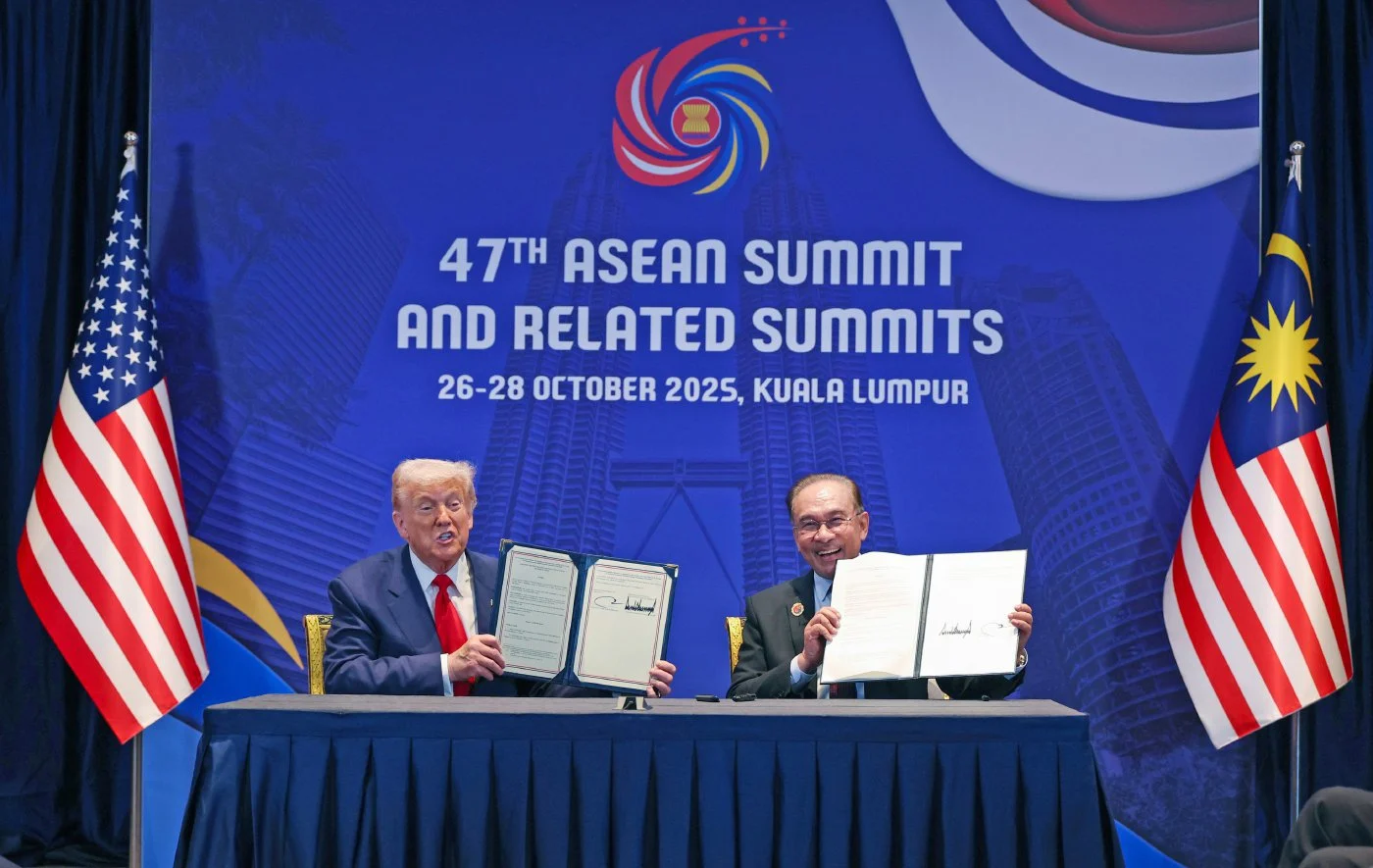
The United States and Malaysia have signed a reciprocal trade agreement aimed at strengthening economic and diplomatic ties between the two nations. The deal offers expanded market access and tariff exemptions, opening new opportunities for businesses and exporters.
Officials say the agreement could boost U.S. exports to Malaysia, creating jobs and supporting economic growth. Malaysian businesses also stand to benefit from easier access to the U.S. market, enhancing bilateral trade and investment.
The trade deal includes exemptions on numerous tariff lines, reducing costs for imported and exported goods. By easing restrictions, both countries aim to increase the flow of products and services, supporting industries ranging from agriculture to manufacturing.
Economic analysts say the agreement may have a positive impact on small and medium-sized businesses that rely on international markets. Lower tariffs make U.S. goods more competitive in Malaysia, while Malaysian companies can more easily sell products in the United States.
Diplomatic officials highlight that the deal also signals goodwill between the two countries. Strengthened trade ties can pave the way for broader cooperation on economic and political issues, from investment initiatives to regional stability.
Lawmakers and trade representatives from both nations praised the agreement as a step toward modernizing trade relationships. They noted that reciprocal agreements like this create mutual benefits and help resolve long-standing barriers to market access.
For U.S. exporters, the agreement offers new pathways for goods including machinery, electronics, and agricultural products. Malaysia’s exporters may see similar advantages in accessing American consumers, particularly in technology, automotive, and food sectors.
Observers say the deal is part of a broader effort to reinforce partnerships in the Indo-Pacific region. Strengthening economic links with key nations like Malaysia is seen as vital for trade diversification and geopolitical stability.
Businesses are optimistic that the agreement will encourage long-term investment. Reduced tariffs and simplified trade rules are expected to attract companies to expand operations and form cross-border partnerships.
Economists also predict that the trade deal may help reduce costs for consumers. By lowering tariffs on imported goods, the agreement can make everyday products more affordable and increase competition in both markets.
The reciprocal trade agreement demonstrates a shared commitment to economic growth and job creation. Leaders from both countries emphasized that cooperative trade policies benefit citizens, businesses, and the broader regional economy.
Trade analysts note that agreements like this set a positive example for other nations seeking balanced and mutually beneficial trade arrangements. The success of the U.S.-Malaysia deal could encourage further agreements in Southeast Asia and beyond.
If implemented smoothly, the deal is expected to enhance bilateral trade significantly, benefiting exporters, employees, and consumers on both sides. It also reinforces the broader diplomatic relationship, highlighting collaboration over conflict.

