

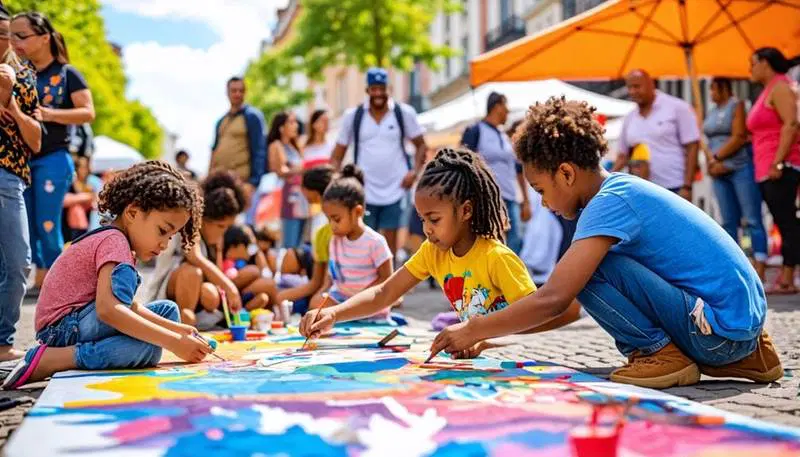
Unique art events across the United States are bringing creativity out of traditional galleries and into public spaces, giving communities new ways to engage with culture. Programs like “Art in Odd Places” transform streets, parks, and public buildings into interactive art experiences, encouraging residents to explore creativity in their everyday environments.
Organizers say these events make art accessible to everyone. By placing installations, performances, and exhibitions in unexpected locations, the programs invite curiosity and participation. Residents can encounter sculptures, performances, and interactive pieces while walking to work, shopping, or spending time in local parks. “The goal is to remove barriers to art and make cultural experiences part of daily life,” a program coordinator said.
“Art in Odd Places” and similar initiatives are designed to spark dialogue and connection. Public art often encourages viewers to interpret messages, respond to themes, or participate in creative activities. These interactions help build community engagement and make cultural participation more inclusive. People of all ages can take part, from children exploring colorful murals to adults attending live street performances.
The events also enrich neighborhoods by creating vibrant public spaces. Streets, plazas, and parks become lively with performances, installations, and workshops. Local businesses often benefit as foot traffic increases and visitors engage with the area. Experts say that public art can revitalize neighborhoods, foster civic pride, and strengthen connections among residents.
Many programs partner with local artists, schools, and community organizations. This collaboration ensures that the art reflects local culture while providing opportunities for emerging artists to showcase their work. Community workshops and participatory projects allow residents to contribute to the creative process, fostering a sense of ownership and shared cultural identity.
Social media has helped amplify the impact of these public art events. Participants often share photos and videos of installations, performances, and interactive experiences, inspiring others to attend and engage. Online platforms also provide opportunities for virtual participation, expanding access to those who cannot attend in person.
Experts note that public art has multiple benefits beyond entertainment. Exposure to creative experiences improves mental well-being, encourages critical thinking, and promotes empathy by presenting new perspectives. Participating in or observing art in public spaces can also inspire personal creativity, motivating residents to explore their own artistic interests.
Economic benefits are another important aspect. Increased foot traffic supports local businesses, while cultural tourism brings visitors to neighborhoods hosting unique art events. Cities that invest in public art programs often report higher civic engagement, stronger community identity, and improved quality of life for residents.
Educational opportunities are also a focus. Schools and youth programs often integrate public art into learning, encouraging students to explore creativity, collaboration, and cultural awareness. These experiences can inspire future artists while building appreciation for cultural diversity and the role of art in society.
Overall, public art events like “Art in Odd Places” demonstrate how creativity can transform communities. By making art accessible, engaging, and interactive, these programs strengthen cultural participation, foster social connections, and enrich local neighborhoods. Residents gain opportunities to explore new ideas, connect with neighbors, and enjoy shared cultural experiences that leave a lasting impact.
As public art continues to grow in popularity, cities and organizations are encouraged to embrace creative initiatives that engage residents and celebrate local culture. By placing art where people live, work, and play, communities can promote inclusion, connection, and a vibrant cultural environment for everyone.

