

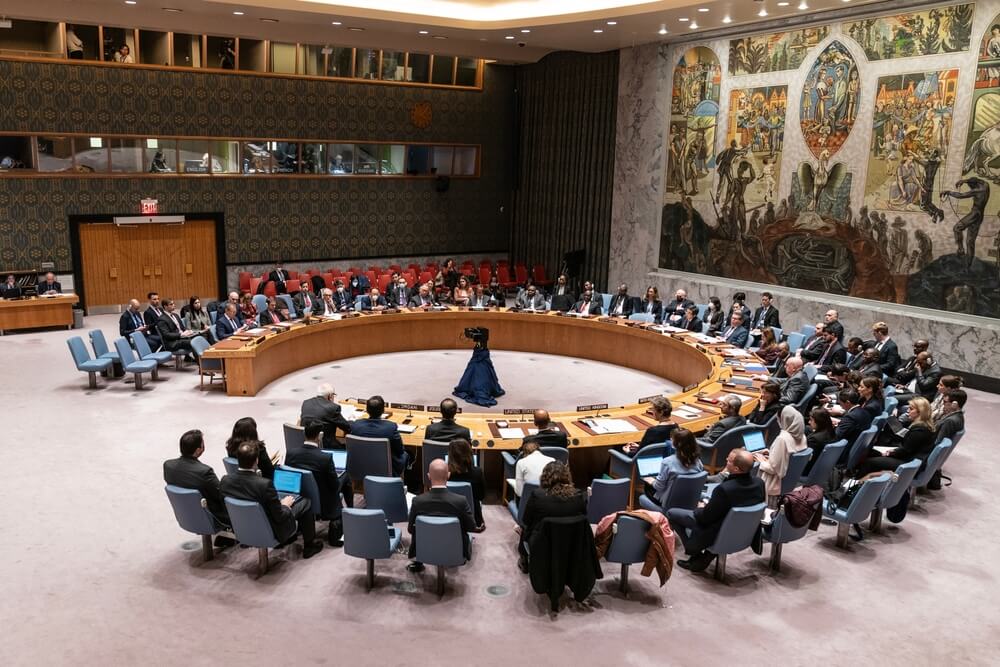
The United Nations has voted to create a new international scientific panel dedicated to studying the risks and opportunities of artificial intelligence, marking a significant step in global efforts to understand the fast-moving technology. The decision passed in the General Assembly by 117 votes to two, with the United States and Paraguay opposing the move, while Tunisia and Ukraine abstained. Russia, China and several European nations backed the initiative.
UN Secretary-General Antonio Guterres described the panel as a “foundational step toward global scientific understanding of AI,” saying it would provide independent and rigorous analysis at a time when AI development is accelerating rapidly.
A First-of-Its-Kind Global Body
The newly formed Independent International Scientific Panel on Artificial Intelligence will consist of 40 experts serving three-year terms. Selected from more than 2,600 candidates through a review process involving multiple UN bodies and the International Telecommunication Union, the panel will produce an annual report examining AI’s risks, benefits and broader societal impact.
According to Guterres, the goal is to ensure that all member states — regardless of their technological capacity — can engage in informed discussions about AI governance. He emphasized that many countries lack the resources to independently assess the technology’s implications, and the panel aims to help level the playing field.
Europe will hold 12 seats on the panel, with representatives from countries including France, Germany, Spain, Finland, Belgium, Italy and Poland.
Growing Alarm from Inside the Industry
The UN vote comes amid increasing unease within the AI sector itself. Former employees from leading AI companies have raised concerns about the speed and direction of development. Mrinank Sharma, previously a safety researcher at Anthropic, warned in an open letter that rapid AI advancement, combined with other global crises, puts the world “in peril.”
Zoe Hitzig, a former top researcher at OpenAI, told The New York Times she has “deep reservations” about her former employer’s strategic path.
High-profile figures in the field have also voiced caution. Dario Amodei, Sam Altman and Steve Wozniak are among those who have publicly highlighted the potential dangers posed by advanced AI systems.
US Pushback and Debate Over Authority
Despite broad international support, the initiative faced firm resistance from Washington. Lauren Lovelace, representing the United States, described the panel as “a significant overreach of the UN’s mandate and competence,” arguing that AI governance should not be dictated by the global body.
The divide underscores a wider debate about who should shape the rules for artificial intelligence — national governments, private companies or international institutions.
With AI technology evolving at unprecedented speed, the UN’s new panel is expected to play a central role in informing that debate, offering scientific assessments intended to guide policymakers around the world in the years ahead.

