

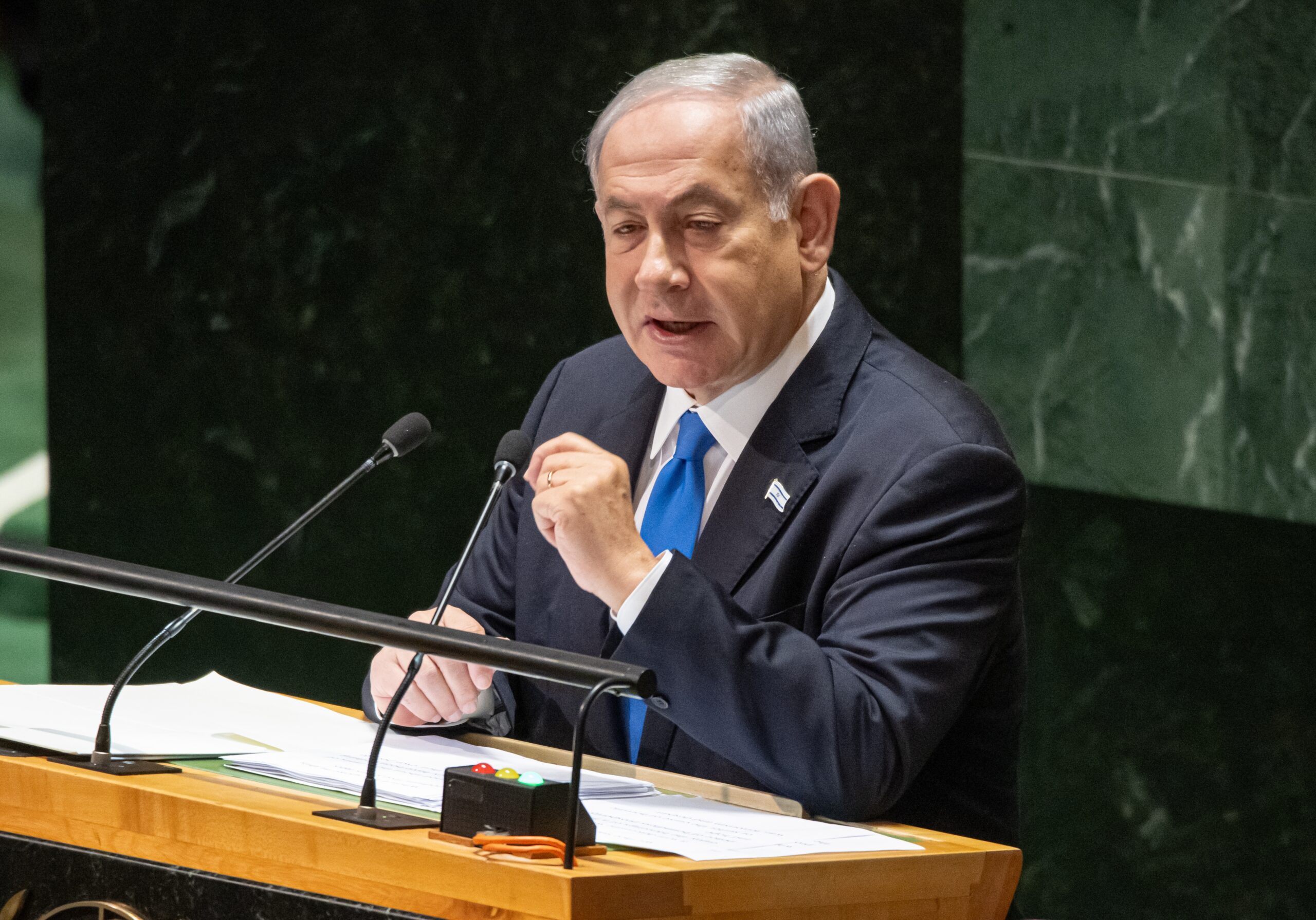
US President Donald Trump and Israeli Prime Minister Benjamin Netanyahu unveiled a new 20-point peace plan for Gaza on 29 September.
The proposal, developed with input from Egypt, Qatar, and Turkey, aims to end the prolonged conflict and begin rebuilding the region.
Trump pushed for the ceasefire after an Israeli airstrike on Doha violated Qatar’s sovereignty during failed talks with Hamas negotiators.
Freed from domestic political constraints, Trump increased pressure on Israel, which had already met key military goals in Iran, Lebanon, and Gaza.
On 8 October, Trump confirmed that Israel and Hamas signed the first phase of the agreement, marking the beginning of a fragile truce.
First Stage Focuses on Ceasefire and Humanitarian Aid
The first phase enforces an immediate halt to fighting and freezes all military positions across Gaza.
Both sides must release hostages within 72 hours, including all Israeli captives, both living and deceased.
Israel will also free 1,950 Palestinian prisoners, including 250 serving life sentences, as part of the initial exchange.
The ceasefire allows aid convoys to resume operations, providing essential food, medicine, and shelter to displaced civilians.
International organisations will monitor compliance and ensure both parties maintain the truce while humanitarian relief reaches affected populations.
Next Phases Address Security, Governance, and Reconstruction
After the hostage release, negotiators will begin disarmament talks focusing on dismantling Hamas’s tunnels and weapon stockpiles.
The plan envisions Gaza as a demilitarised, “terror-free zone” that no longer threatens neighbouring states.
It grants amnesty to Hamas members who disarm and accept peaceful coexistence, with exile options for those refusing.
A temporary multinational peacekeeping force, including US, Arab, and European personnel, will oversee security and train a Palestinian police unit.
Later, a transitional administration of Palestinian technocrats, supervised by an international “Board of Peace,” will manage reconstruction.
Trump will chair the board, joined by former UK Prime Minister Tony Blair and other yet-to-be-announced global figures.
The plan outlines eventual recognition of a Palestinian state, dependent on reform and successful rebuilding.
However, Netanyahu has stated that no Palestinian state will form under this framework, maintaining Israel’s opposition to sovereignty recognition.

