

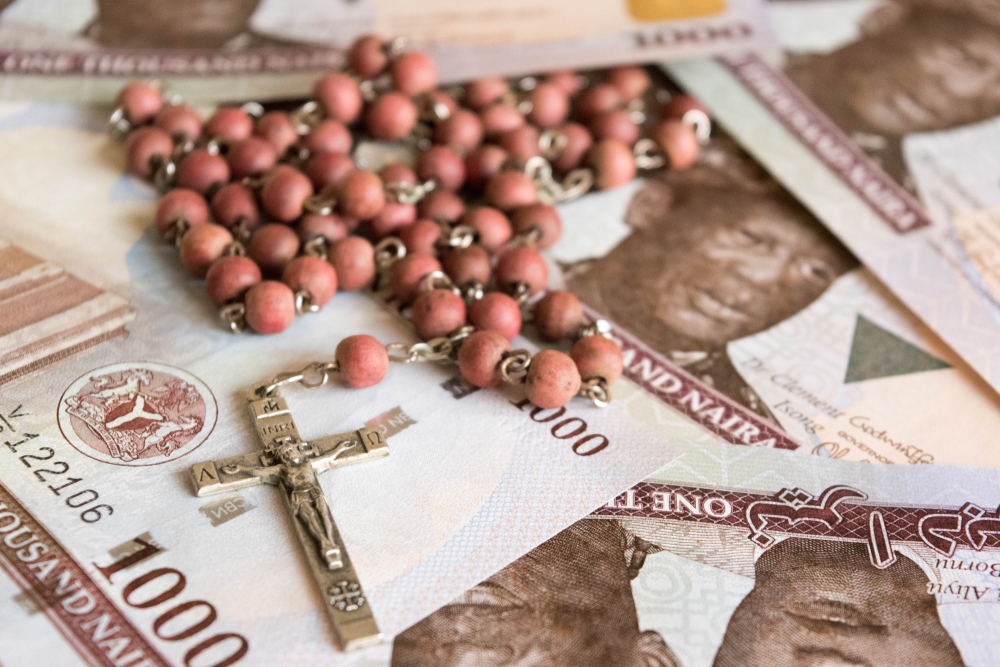
Nigeria entered a state of anxiety after U.S. President Donald Trump threatened military intervention over alleged Christian persecution. On Sunday, Nigerians awoke to reports of Trump ordering the Pentagon to prepare plans for possible action. “If Nigeria allows Christians to be killed, the U.S. will stop all aid and may go in ‘guns blazing,’” Trump wrote online. “If we attack, it will be fast, vicious, and sweet,” he added, saying he aimed to “defend cherished Christians.”
President Bola Ahmed Tinubu quickly responded, saying he was ready to meet Trump to discuss counterterrorism cooperation. Tinubu emphasized that any partnership must respect Nigeria’s sovereignty. He also stated on X that Nigeria’s diversity does not make it a religiously intolerant nation.
Nigeria Pushes Back Against Foreign Pressure
Tinubu’s spokesperson, Daniel Bwala, described Trump’s message as a potential negotiation tactic. He reminded the public that Nigeria and the U.S. already collaborate through intelligence sharing and arms purchases to combat Islamist insurgents.
Amnesty International reported that over 10,000 people have died in jihadist attacks since Tinubu took office. With 220 million citizens divided almost evenly between Christians and Muslims, Nigeria faces violent threats from groups such as Boko Haram, which targets both faiths.
Washington often frames the crisis as Christian genocide, while many Nigerians see it as a broader security issue. Analysts note that many victims of insurgent violence are Muslims in northern Nigeria. Reverend Ezekiel Dachomo and other evangelical leaders disagree, claiming a coordinated campaign against Christians exists. Advocacy groups like Open Doors and International Christian Concern reported over 7,000 Christian deaths in 2025 alone.
Fears Grow Over U.S. Motives and Resource Interests
Trump’s warning followed Senator Ted Cruz’s call to label Nigeria a violator of religious freedom. The comments reignited debate about whether the country should accept foreign troops. Political commentator Cyril Abaku said, “If it helps protect our communities, we should welcome it. Terrorism is global now, and we need help.”
Despite some support, many Nigerians suspect Trump’s motives extend beyond humanitarian concern. Analysts argue his remarks may link to Nigeria’s growing importance in rare earth and mineral production. The nation’s northeast—home to Islamist insurgents—contains vast monazite reserves rich in lithium, nickel, cobalt, copper, lanthanum, and neodymium, all vital for renewable energy and defense industries.
Human rights activist Omoyele Sowore rejected any foreign intervention. “Nigeria needs accountable leadership that protects its people and ends corruption and violence,” he said.
The U.S. designated Nigeria a “country of particular concern” in 2020 over systemic violations of religious freedom, but that classification did not specifically cite attacks on Christians.

