

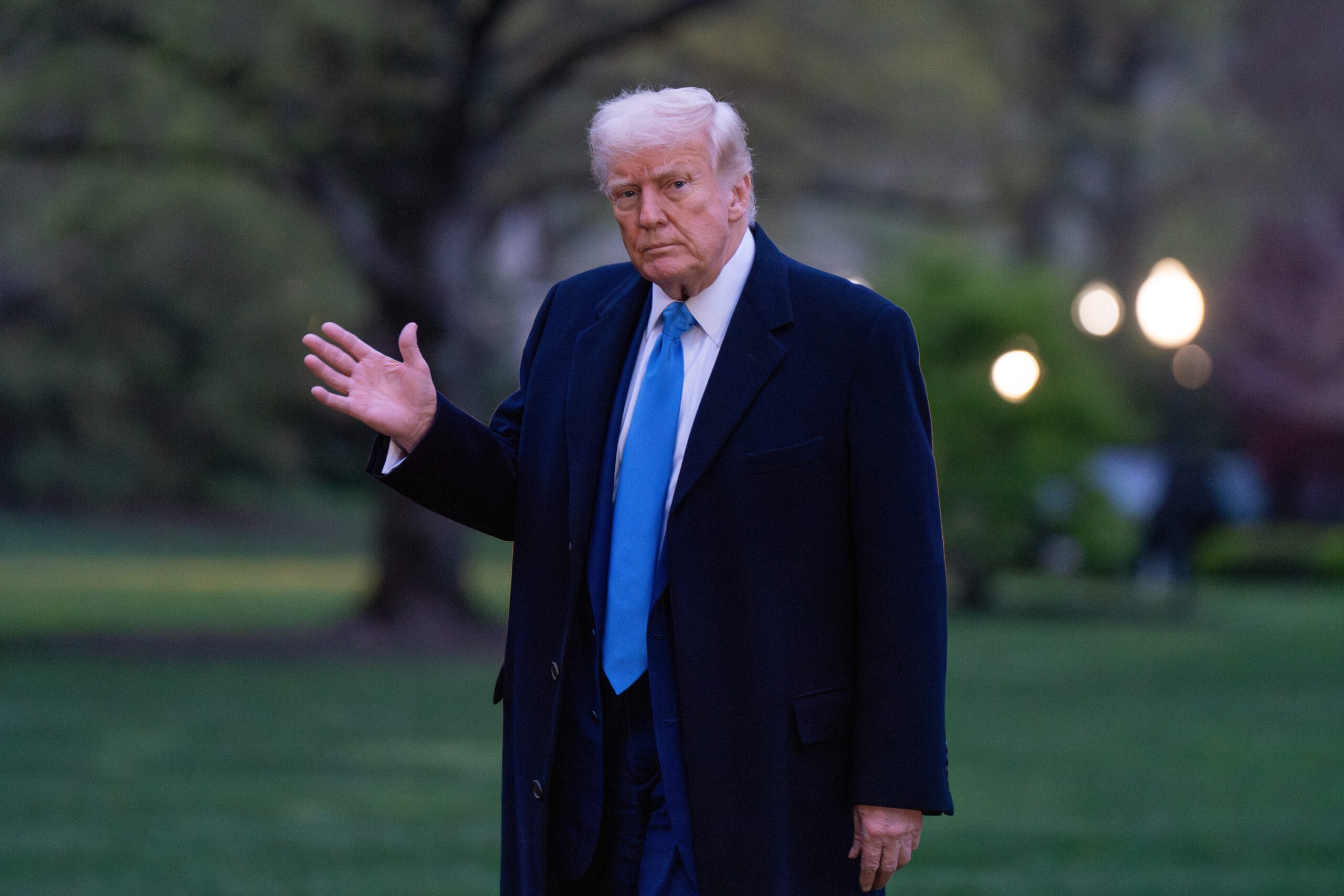
Donald Trump has asked the US Supreme Court to protect his tariff program. He wants the justices to overturn a ruling that declared his wide-ranging trade duties illegal.
Fight over presidential power
The administration filed its petition on Wednesday night. It urges the court to rule quickly on whether a president can impose tariffs without Congress. Last week, the Federal Circuit Court of Appeals ruled 7-4 against Trump. Judges said only Congress has the authority to set import duties.
Billions at stake
The case could disrupt Trump’s trade and foreign policy plans. It may also force the US to return billions in collected tariffs. Trump justified his actions under the International Emergency Economic Powers Act. The law allows presidential measures against “unusual and extraordinary” threats. In April, he declared an economic emergency, claiming trade imbalances harmed US manufacturing and threatened national security.
Appeals court delays enforcement
Although the appeals court ruled against Trump, it postponed enforcement to allow an appeal. “The stakes in this case could not be higher,” Solicitor General John Sauer wrote in Wednesday’s filing. He said the ruling disrupted critical trade negotiations and created legal uncertainty. He warned it weakened the president’s ability to prevent an economic and foreign policy crisis.
Small businesses challenge tariffs
Small firms filed lawsuits, arguing the tariffs threaten their survival. Their lawyers remain confident. “These unlawful duties are harming small businesses,” said Jeffrey Schwab of the Liberty Justice Center. “We hope for a swift resolution for our clients.” If the Supreme Court declines review, the ruling takes effect on October 14.
Previous court setbacks
In May, the Court of International Trade in New York also ruled the tariffs unlawful. That decision was paused during appeals. The lawsuits were filed by small companies and a coalition of states. In April, Trump signed executive orders imposing a 10 percent baseline tariff and “reciprocal” tariffs on more than 90 countries.
International impact
The appeals court also struck down tariffs on Canada, Mexico, and China. Trump argued they were necessary to curb drug imports. Other duties, including those on steel and aluminum, remain in effect. They rely on a separate presidential authority.

