

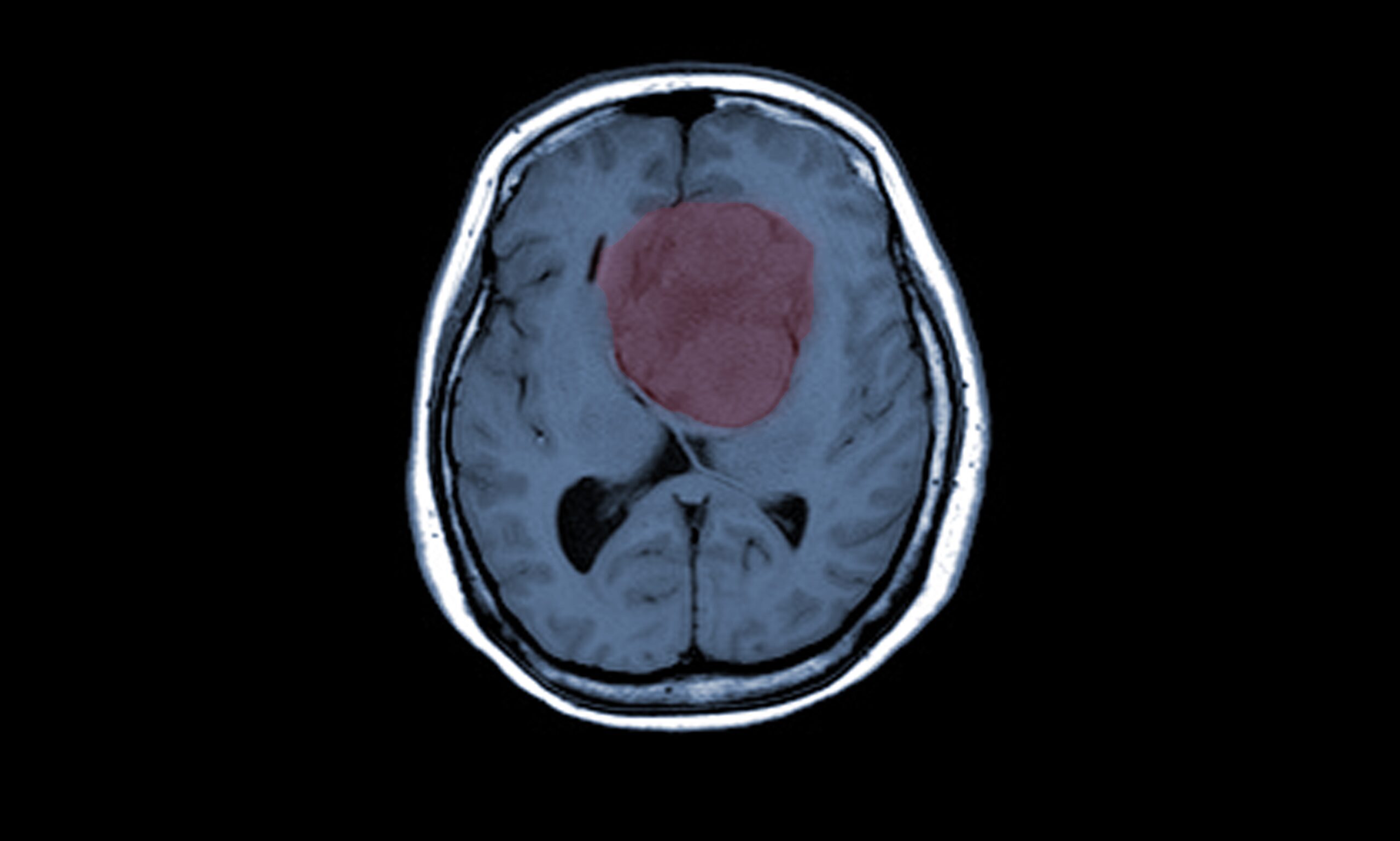
A new “smart jab” has shown remarkable success in shrinking head and neck cancer tumours within just six weeks, offering hope to patients with advanced disease that has stopped responding to other treatments.
The drug, amivantamab, works through a triple-action mechanism and is administered as a simple injection under the skin — a far less invasive option than traditional intravenous chemotherapy. Results from the Orig-AMI 4 trial, presented at the European Society for Medical Oncology conference in Berlin, were described by doctors as “incredibly encouraging.”
Head and neck cancer is the sixth most common cancer globally, and treatment options are limited once the disease recurs or spreads after chemotherapy and immunotherapy.
In the international study, which included UK participants, 76% of patients who had already undergone standard therapies saw their tumours shrink or stop growing after receiving amivantamab. Responses were typically seen within six weeks, and side effects were mostly mild to moderate. The average progression-free survival was 6.8 months.
Professor Kevin Harrington of the Institute of Cancer Research and the Royal Marsden NHS Foundation Trust said:
“To see this level of benefit for patients who have endured numerous treatments is incredibly encouraging. This could represent a real shift in how we treat head and neck cancer — not just in effectiveness, but also in how we deliver care.”
Amivantamab targets cancer in three ways: it blocks EGFR (a growth-promoting protein), MET (a pathway used by resistant cancer cells), and boosts the immune system’s ability to attack tumours.
Because it is injected under the skin, treatment can be completed quickly and may eventually be offered in outpatient clinics — or even at home.
Carl Walsh, a 59-year-old from Birmingham who joined the trial after chemotherapy and immunotherapy failed, said his symptoms had significantly improved:
“Before starting the trial, I couldn’t talk properly and eating was difficult. The swelling has gone down a lot, and I’m not in the same amount of pain. Sometimes I even forget that I have cancer.”
Researchers say the findings could pave the way for a new standard of care for hard-to-treat head and neck cancers.

