

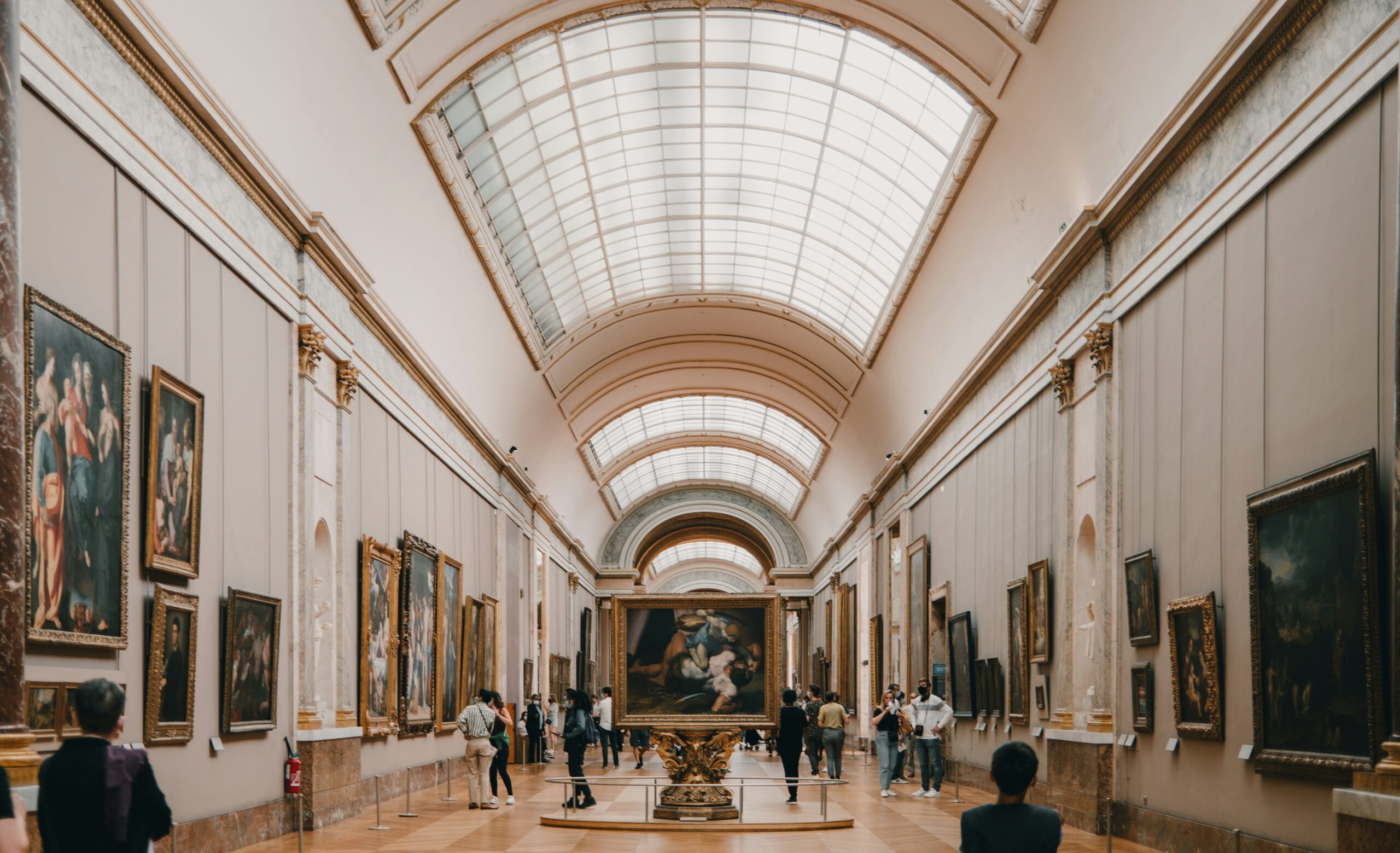
The Louvre moved part of its jewelry collection to the Bank of France vaults on Friday as a security precaution. French radio network RTL reported that police escorted the transfer after last week’s shocking theft of eight crown jewels from the museum.
Officials discreetly relocated the items, including the “Crown Jewels” from the Apollo Gallery and other valuable pieces from across the museum. The vault, located 27 meters beneath the bank’s Paris headquarters, already stores about 90% of France’s gold reserves.
The decision followed intense public pressure and growing concerns about the safety of the museum’s priceless artifacts.
Thieves Execute Bold Daylight Robbery
Last week, several thieves broke into the Louvre in broad daylight, using a basket lift to reach a balcony leading to the Apollo Gallery. They forced open a window, smashed display cases, and stole the jewels before escaping on motorcycles.
The entire robbery lasted only six to seven minutes. A Paris prosecutor estimated the stolen jewels’ worth at 88 million euros, excluding their immense historical significance. The incident drew widespread outrage across France, with many calling it one of the nation’s most embarrassing security failures.
Lawmakers condemned the heist as a “national humiliation,” demanding answers about how such a high-profile museum could be breached so easily.
Rising Wave of Museum Thefts Across Europe
The Louvre incident highlights a troubling trend of museum robberies spreading across Europe. French officials confirmed that at least four museums in France have suffered break-ins in recent months.
Experts blame outdated security systems and underinvestment in cultural protection for the rise in thefts. Critics argue that the Louvre had long warned of security shortfalls but received limited funding to address them.
Authorities continue investigating the Paris heist while international agencies monitor for any attempt to sell or smuggle the stolen treasures. The event has reignited debate over how European institutions can protect their shared cultural heritage from increasingly sophisticated criminal networks.

