

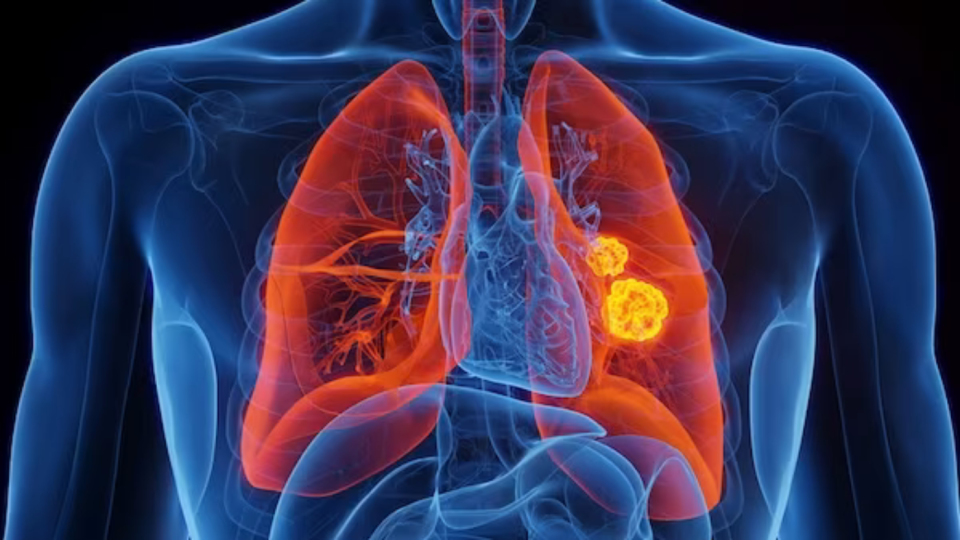
New research suggests that updating lung-cancer screening guidelines could dramatically improve early detection and save thousands of lives. A study published in JAMA Network Open found that expanding age-based screening criteria could detect approximately 93.9% of lung cancers and prevent over 26,000 deaths each year.
Lung cancer is one of the leading causes of cancer-related deaths worldwide. Detecting it early significantly increases survival rates, yet many cases are diagnosed too late for effective treatment. The study’s findings indicate that more inclusive screening could address this gap.
Current screening guidelines focus on older adults with a history of heavy smoking. Expanding the age range and eligibility criteria could allow more at-risk individuals to receive low-dose CT scans, catching cancers at an earlier, more treatable stage.
Experts say that early detection is critical for improving patient outcomes. Lung cancers found in their initial stages are more likely to respond to surgery and other therapies, reducing the need for intensive treatments and improving long-term survival.
The study also highlights the potential public health impact of broader screening programs. By preventing over 26,000 deaths annually, updated guidelines could relieve pressure on healthcare systems and improve overall population health.
Healthcare providers are encouraged to review the updated recommendations and discuss screening options with eligible patients. Increased awareness and participation in early detection programs can save lives and reduce the burden of late-stage lung cancer.
While expanding screening could increase the number of diagnostic tests, researchers emphasize the benefits outweigh potential costs. Catching cancers earlier reduces the need for complex treatments and lowers overall healthcare expenses over time.
Public health officials are optimistic that wider adoption of these updated criteria will help ensure that more people receive timely diagnoses and effective care. Early intervention remains one of the most powerful tools in the fight against lung cancer.
The study underscores the importance of continuous evaluation and revision of screening guidelines. As research advances, more people may benefit from early detection, improving survival rates and reducing preventable deaths.
Expanding lung-cancer screening represents a major opportunity to save lives, improve outcomes, and make preventive care more effective nationwide. By catching cancers earlier, the healthcare system can offer better treatment and hope to thousands of patients each year.

