

Gigafactory Plans Put on Ice
Automotive Cells Company (ACC) has scrapped plans to build major electric vehicle battery plants in both Italy and Germany, dealing a blow to Europe’s push to strengthen its homegrown battery industry. The decision comes as demand for electric vehicles has grown more slowly than expected, making large-scale investment harder to justify.
Italy’s metalworkers’ union UILM confirmed the move, saying ACC management had officially ruled out the long-planned gigafactory in Termoli, along with a similar project in Germany. Both sites had already been on hold since 2024.
EV Demand Falls Short of Expectations
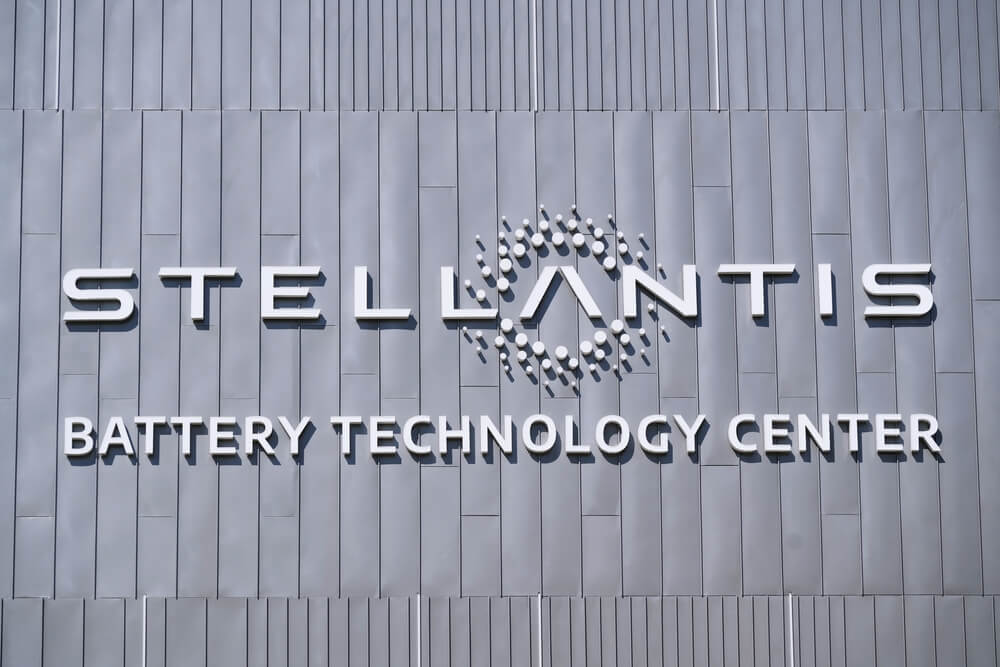
ACC, which is backed by Stellantis, acknowledged that the conditions needed to restart the projects simply aren’t there. The company has been reassessing its strategy as it considers shifting toward cheaper battery technologies, reflecting a broader rethink across the industry.
The cancelled factories were part of a wider wave of battery investments launched as Europe tried to reduce its dependence on Chinese suppliers, who currently dominate the global market. But as EV sales cooled and governments in Europe and the US relaxed emissions targets, many of those plans have been scaled back or delayed.
Stellantis, Europe’s second-largest carmaker, recently warned it would take a €22 billion financial hit after overestimating how quickly drivers would adopt electric vehicles.
Unions and Governments Left in Limbo
ACC said it is now in discussions with unions about how to manage a potential shutdown of the projects in Kaiserslautern and Termoli. The company is a joint venture between TotalEnergies, Mercedes-Benz and Stellantis, bringing together major players from across the automotive and energy sectors.
Italy had already begun pulling back support. In September 2024, the government withdrew around €250 million in EU funding that had been set aside for the Termoli plant, citing uncertainty over when — or if — the factory would ever be built.
For now, Europe’s battery ambitions remain intact on paper, but the pause at ACC highlights how fragile those plans are when market demand fails to keep pace with political and industrial expectations.

