

Brussels Weighs a Solo Move
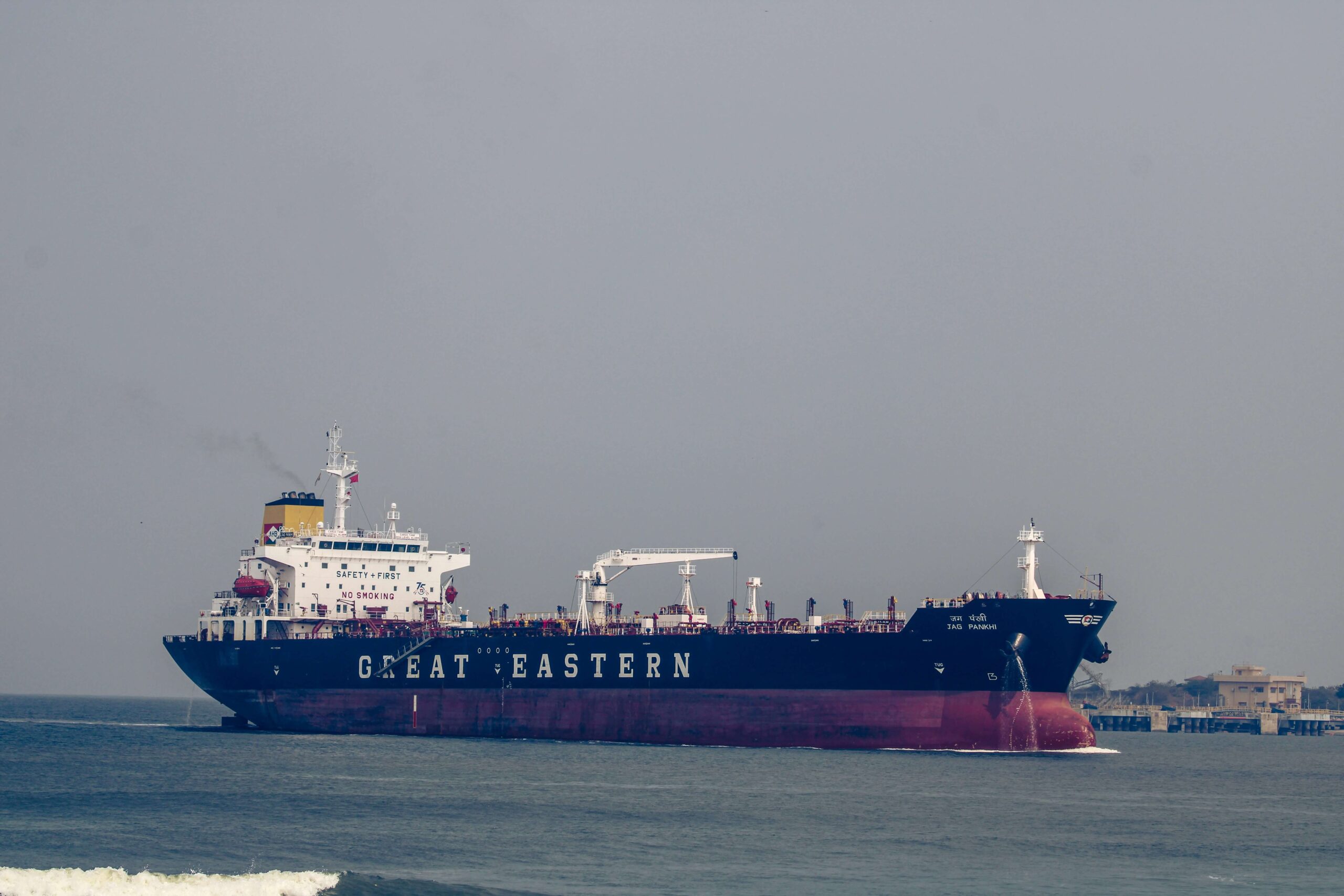
The European Union is prepared to press ahead with stricter sanctions on Russian oil tankers, even if it cannot secure full backing from its G7 partners. Valdis Dombrovskis said a joint agreement would be preferable but is not an “absolute precondition” for action.
The proposed measures form part of the bloc’s 20th sanctions package against the Kremlin, which Brussels hopes to approve by 24 February, marking four years since Russia’s full-scale invasion of Ukraine.
At the heart of the debate is a potential full ban on maritime services for Russian oil tankers. If adopted, EU-based companies would no longer be allowed to service these vessels at any price — effectively ending the G7’s oil price cap system within EU jurisdiction. The cap, introduced in December 2022, was last set at $44.10 per barrel.
Dombrovskis stressed that coordination with the G7 remains the goal, but made clear the EU is ready to act independently if broader agreement cannot be reached.
G7 Divisions and Greek Concerns
Earlier this month, the European Commission had indicated it would only move forward after a G7 decision. The latest remarks suggest a firmer stance, though it remains unclear how many allies would mirror such a measure.
The United Kingdom, Canada and Australia have acknowledged the proposal and say discussions are ongoing. The United States and Japan have yet to respond publicly.
Within the EU itself, concerns have surfaced. Greece, home to one of the world’s most powerful shipping industries, is reportedly wary of a full maritime services ban. Greek officials fear it could boost competition from India and China, strengthen Russia’s so-called “shadow fleet,” and encourage ship owners to remove vessels from national registries — a tactic known as deflagging.
Some EU ministers argue that unity is key, but others insist action should not be delayed. As Sweden’s finance minister put it, broader alignment is better — but Europe must ultimately “do what we need to do.”
Kyrgyzstan in the Spotlight
Beyond oil, the upcoming sanctions package includes another significant step: the first-ever use of the EU’s Anti-Circumvention Tool. The mechanism is designed to prevent EU-made goods from being rerouted to Russia through third countries.
This has drawn attention to Kyrgyzstan, which shares a customs union with Russia. Trade between the EU and Kyrgyzstan has surged dramatically since the invasion. EU exports to the country rose from €263 million in 2021 to €2.5 billion in 2024, with more than half consisting of machinery and transport equipment.
Brussels fears that some of these goods — particularly advanced machines and radio equipment — could be re-exported to Russia and repurposed for military use.
Negotiations among EU ambassadors are continuing, with the aim of finalising the sanctions package by the February deadline. Whether the bloc moves forward in lockstep with the G7 or charts its own course, the message from Brussels is increasingly clear: further economic pressure on Moscow is coming.

