

Is the West in Decline — or Just Changing?
This year’s gathering at the Munich Security Conference exposed a growing divide over what the West represents — and whether it needs rescuing at all.
U.S. Secretary of State Marco Rubio urged European allies to help “save” what he described as a shared civilisation. He warned that the United States has no interest in managing what he called the West’s slow decline and pushed Europeans to rethink policies he blamed for weakening the transatlantic alliance. At the same time, he emphasized that America’s future remains tightly linked to Europe, describing the U.S. as a “child of Europe.”
That message did not go unanswered. Kaja Kallas rejected the idea that Europe needs saving, dismissing narratives portraying the European Union as decadent or fading. European Commission President Ursula von der Leyen struck a more reassuring tone, saying she felt encouraged about transatlantic ties after Rubio’s speech.
Ukraine and the Struggle Over Peace Talks
For Ukrainian President Volodymyr Zelenskyy, the debate over Western identity is not abstract. He criticized Europe’s limited role in U.S.-brokered talks with Russia, calling its absence from the negotiating table a “big mistake.” European nations are Ukraine’s largest providers of military and financial aid, and they are expected to shoulder much of the responsibility for post-war security guarantees — yet they remain sidelined in direct diplomacy.
Zelenskyy warned that Russia could attempt to divide Europe while negotiating primarily with Washington. He also pushed for clarity on Ukraine’s path to joining the European Union, arguing that the country should be “technically ready” for accession by 2027.
Meanwhile, German Chancellor Friedrich Merz painted a stark picture of a global order in flux. The rules-based system shaped after World War II, he argued, no longer exists. In its place, big-power politics has returned, bringing uncertainty and forcing Europe to defend its own freedom more assertively.
Security Fears and a Shifting Alliance
Concerns about long-term U.S. commitment to European security also fueled discussion about nuclear deterrence. French President Emmanuel Macron revealed that France has opened strategic dialogue with Germany and other partners about how its nuclear doctrine could fit into a broader European security framework. The move reflects unease after former President Donald Trump questioned Europe’s defense contributions and signaled a possible U.S. pivot away from the continent.
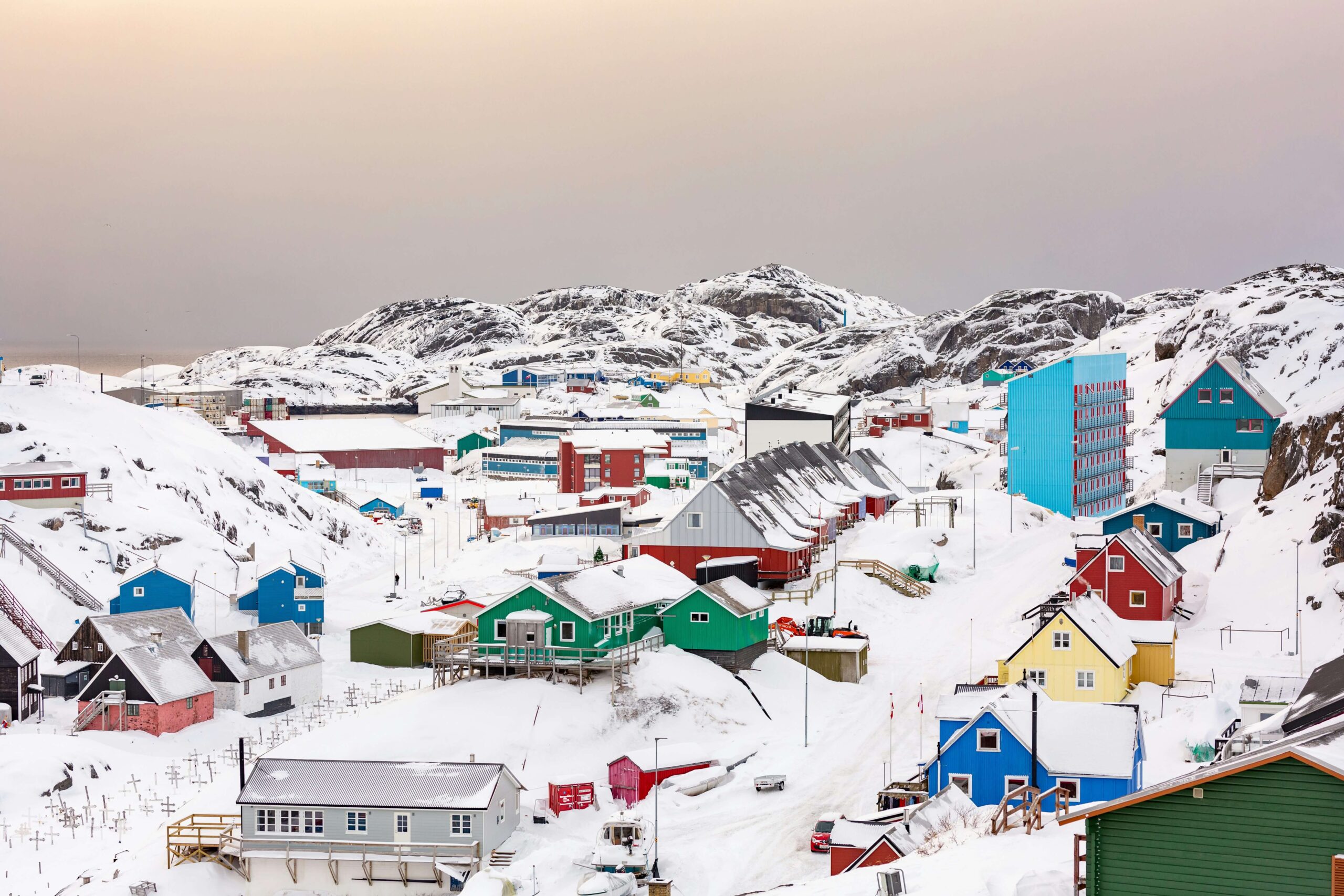
Tensions have also flared over Greenland. Danish Prime Minister Mette Frederiksen said Trump’s interest in the Arctic territory remains unchanged, despite NATO mediation efforts. Greenland’s Prime Minister Jens-Frederik Nielsen described external pressure on the island as unacceptable but affirmed Greenland’s commitment to the alliance.
Von der Leyen used the conference to call for strengthening the EU’s own mutual defense clause, arguing that Europe must be ready to act decisively if faced with aggression. With an €800 billion defense initiative already underway, she said mutual defense cannot remain a symbolic promise — it must become a credible guarantee backed by capability and trust.
Across three days of speeches and debates, one thing became clear: while leaders still speak of shared values, they are increasingly divided over how to defend them — and who should lead the way.

