

Black Carbon Accelerates Melting
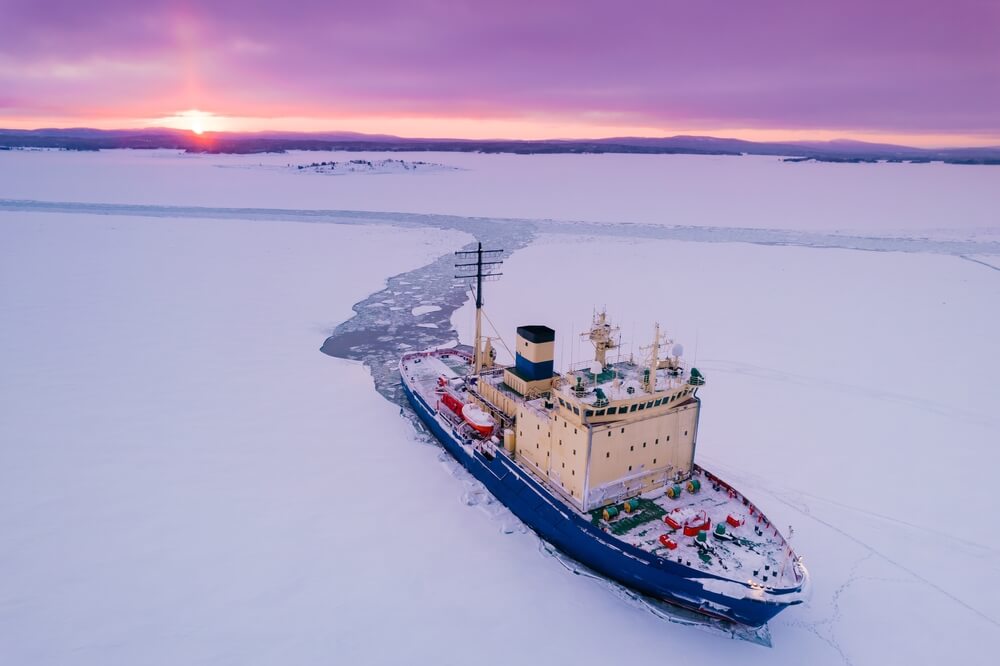
As Arctic sea ice melts at record rates, new shipping routes are opening that were once locked in ice year-round. But the rise in marine traffic comes at a heavy environmental cost. Ships emit black carbon, or soot, which settles on ice and snow, darkening surfaces that would normally reflect sunlight. Instead, the sun’s heat is absorbed, speeding up warming in what scientists describe as a self-reinforcing cycle. “It ends up in a never-ending cycle of increased warming,” says Sian Prior, lead adviser for the Clean Arctic Alliance. This unchecked pollution contributes to global climate impacts, including altered weather patterns far from the Arctic.
Push for Cleaner Fuel Meets Political Hurdles
Countries including France, Germany, Denmark, and the Solomon Islands are urging the International Maritime Organization (IMO) to require ships in Arctic waters to use “polar fuels,” which are cleaner and emit less black carbon. The proposal targets vessels traveling north of the 60th parallel and is currently under discussion. Previous bans on heavy fuel oil have had only modest effects due to loopholes and exceptions, and progress is slowed by international tensions and competing priorities. Geopolitical issues, such as U.S. interest in Greenland and resistance to climate policies, have overshadowed environmental action, making timely regulation challenging.
Industry Resistance and Rising Emissions
Despite growing concern, commercial pressures continue to complicate efforts to limit Arctic pollution. The number of ships north of the 60th parallel rose 37% between 2013 and 2023, with the distance traveled more than doubling. Fishing vessels are a major source of black carbon, and enforcement of cleaner fuel rules remains inconsistent. Countries like Iceland face internal challenges: while a leader in green energy, its fishing industry resists stricter regulations, citing costs and profits. Some shipping companies are voluntarily avoiding the Northern Sea Route due to hazards and pollution concerns, but without broad regulatory action, experts warn that soot emissions and Arctic warming will continue to climb.

