

Officials highlighted fake websites, political ads in Moldova’s recent election, and fabricated videos attacking Ukraine’s president to show how these operations aim to erode public backing.
The UK announced sanctions on Russian media and influence outlets after the foreign minister warned that Western nations must intensify efforts against information warfare from hostile states.
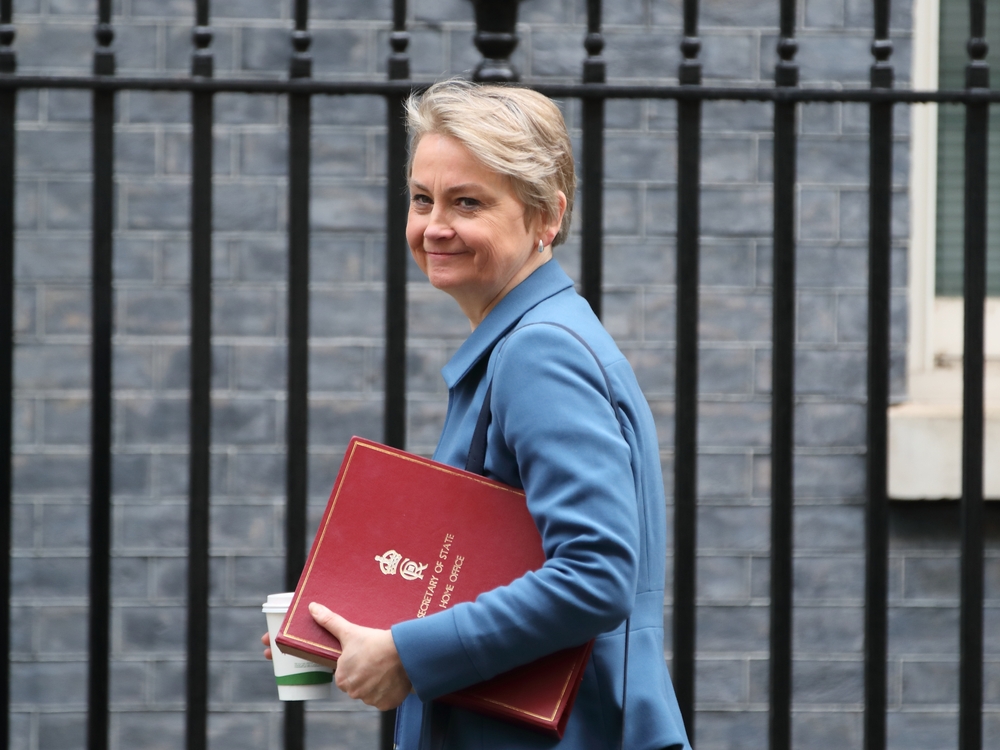
Foreign Secretary Yvette Cooper confirmed sanctions on the Telegram channel Rybar, the Foundation for the Support and Protection of the Rights of Compatriots Living Abroad, and the Centre for Geopolitical Expertise, which Estonian intelligence identifies as linked to Russia’s GRU.
She also imposed penalties on two China-based companies for conducting broad cyber operations against the UK and its partners.
UK Warns of Expanding Hybrid Threats
Cooper used a Foreign Office speech in London to state that Britain and allied countries face escalating hybrid attacks that target infrastructure, national interests, and democratic systems.
She labelled these activities as Russian information warfare and said the UK is actively defending itself.
She described physical sabotage and coordinated disinformation efforts that saturate social platforms with AI-generated and altered video content intended to weaken Western support for Ukraine.
British officials cited fake websites, political adverts in Moldova, and false stories with manipulated videos of President Zelenskyy and his wife as recent examples of these tactics.
Cooperation Stressed Amid Global Tensions
Cooper marked the 100th anniversary of the Locarno Treaties by stressing the need for renewed international cooperation.
She highlighted the growing uncertainty created by US President Donald Trump as he disrupts old alliances and raises doubts about America’s NATO commitments.
Cooper met US Secretary of State Marco Rubio in Washington and reported that the talks reaffirmed strong US backing for NATO.

