

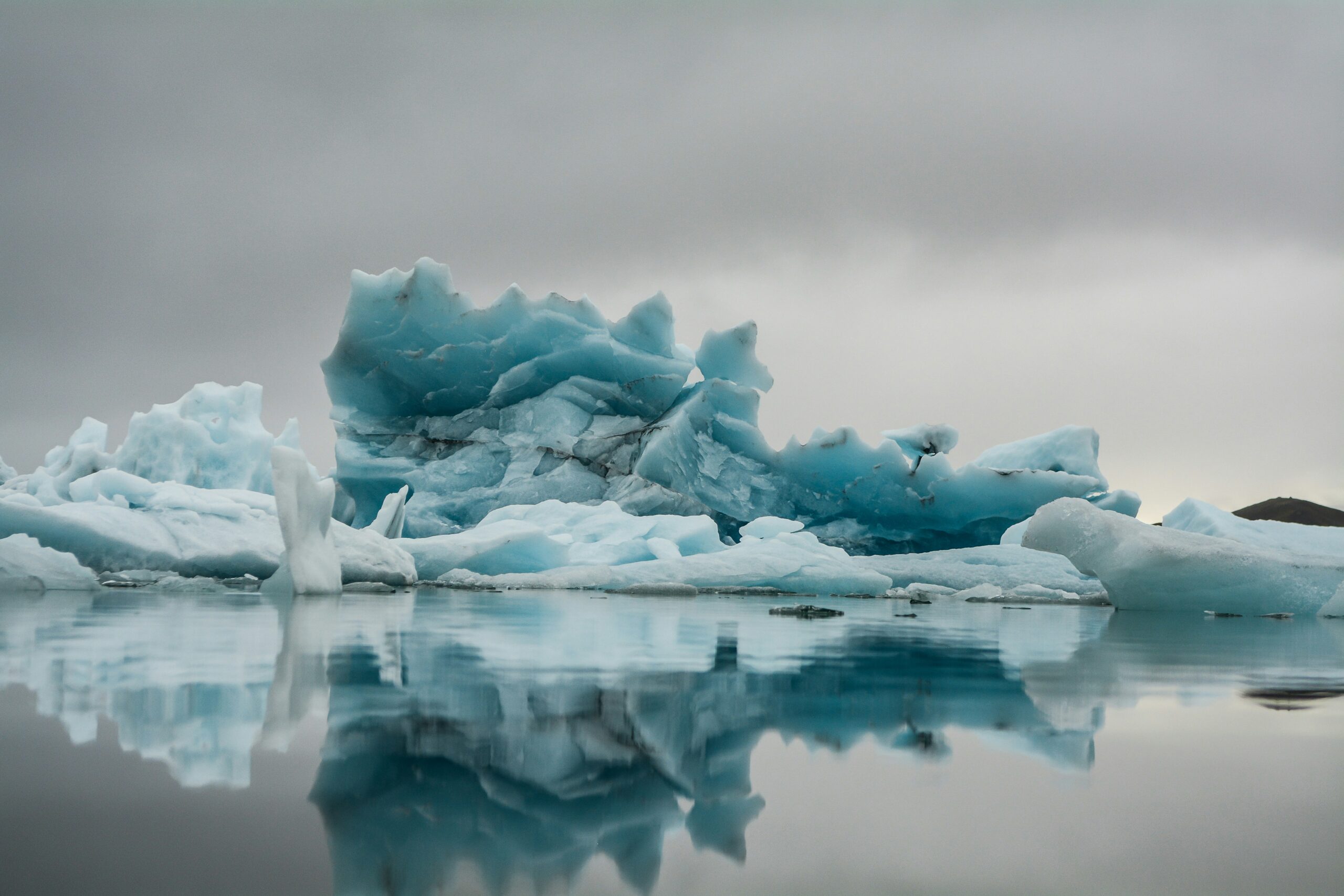
For nearly two decades, Arctic sea ice decline has almost stopped, a sharp contrast to rising global temperatures and emissions.
Researchers had expected faster melting, but natural variations in ocean currents seem to have temporarily reduced the inflow of heat.
They warn, however, that this slowdown will soon end. Melting is highly likely to accelerate within the next decade.
Not a Sign of Recovery
September ice cover, the seasonal low point, remains only half the size observed in 1979, when satellite tracking began.
Scientists emphasize this stall does not mark recovery. Projections still show an ice-free Arctic summer later this century, with serious impacts.
Losing reflective sea ice exposes darker seawater, increasing solar absorption, compounding warming, and further destabilizing Arctic habitats and communities.
Lead author Mark England stressed the current pause provides limited time but does not change the region’s long-term decline.
Research Findings
The study drew on decades of satellite data and thousands of climate models, showing short pauses are natural but temporary.
Every simulation indicated that melting later resumes, often at a faster pace, reinforcing the downward trajectory of Arctic ice.
Thickness continues to decline as well. Since 2010, average October ice has thinned by roughly half a centimeter each year.
Similar pauses in global temperature rise—for instance after 1998—showed that background heat accumulation never really stopped.
Urgency Stays Unchanged
Scientists insist the climate crisis is human-driven and dangerous. The slowdown alters nothing about the scale of the threat.
They caution that such findings, if misused, could undermine public trust and delay vital climate action.

