

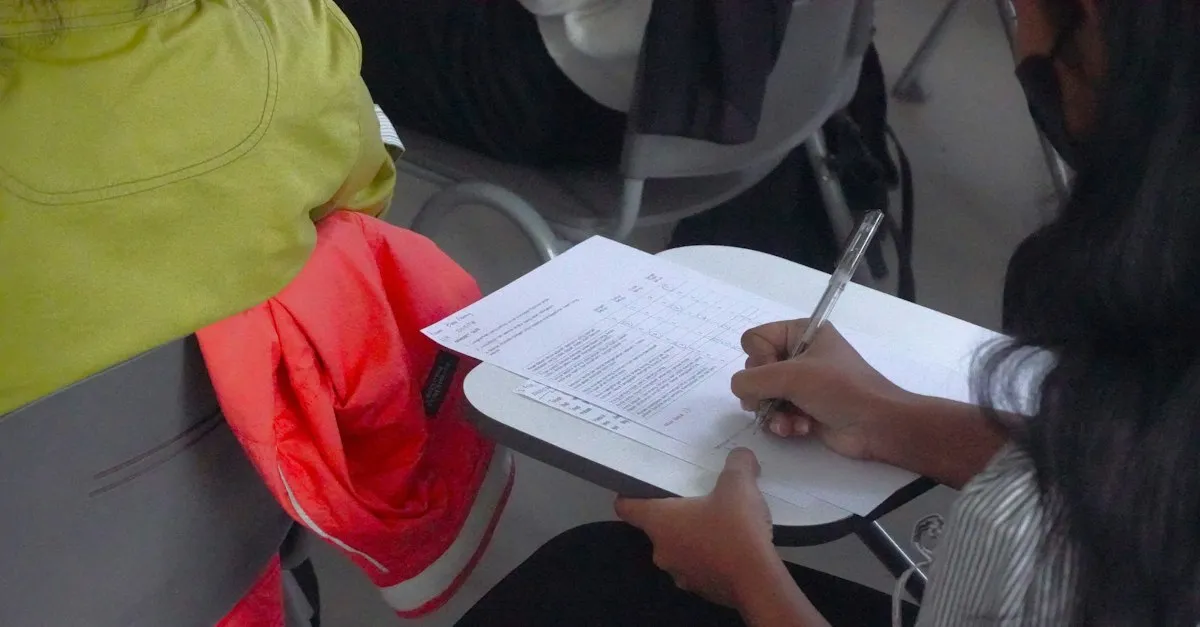
A proposed education reform in French-speaking Belgium could change the way students progress through universities and other higher education institutions. The draft decree, known as the Parcours étudiant, would replace the existing Paysage decree and introduce new rules for examinations, academic progression and admission. One of its most significant proposals is the possible removal of the second examination session, which currently allows students to retake failed exams in August. The proposal has attracted attention because many students depend on this opportunity to complete their studies.
The draft also proposes introducing a mandatory skills assessment for students entering higher education. The test would be designed to evaluate students’ abilities before they begin university or other advanced studies. Supporters of such an approach may argue that identifying learning gaps early could help institutions provide better support. However, students may be concerned that an additional entrance requirement could create new barriers for people from different educational and financial backgrounds.
The proposed reform would also introduce changes to the academic calendar and the rules governing student success. The existing Paysage decree, adopted in 2013, changed how students progress through higher education by allowing them to accumulate credits rather than follow a fixed yearly structure. The system was intended to provide greater flexibility, but critics have argued that it has contributed to longer study periods and complicated academic progression for some students.
The draft is still at a preliminary stage, meaning that its provisions could change before it becomes a formal proposal. Important details about the new entrance assessment, examination arrangements and student progression rules have not yet been finalised. Universities, colleges and art schools across the French Community could all be affected because the Paysage decree currently covers the wider higher education system. Further consultation and political discussion will be necessary before any new framework is adopted.
If the reform moves forward, students in Brussels and Wallonia may need to prepare for a different academic system. Ending the second examination session could create additional pressure on students who need more time to complete courses or recover from poor examination results. At the same time, a new skills test could change how institutions assess incoming students. The final impact will depend on the details of the legislation and whether policymakers can balance academic standards with fair access to higher education.

