

Medical innovations from 2025 are still making headlines and shaping health care in the U.S. Key breakthroughs include advances in robotic surgery, first-of-its-kind Alzheimer’s blood tests, and new tools that help patients regain independence while reducing reliance on opioids.
Robotic surgery has seen major improvements. New systems offer greater precision, shorter recovery times, and less invasive procedures. Surgeons can now perform complex operations with enhanced control, improving patient outcomes and lowering risks.
Alzheimer’s research made a historic step forward. The first blood tests capable of detecting early signs of the disease are now available. These tests allow doctors to identify patients at risk sooner, opening the door to early interventions that could slow progression.
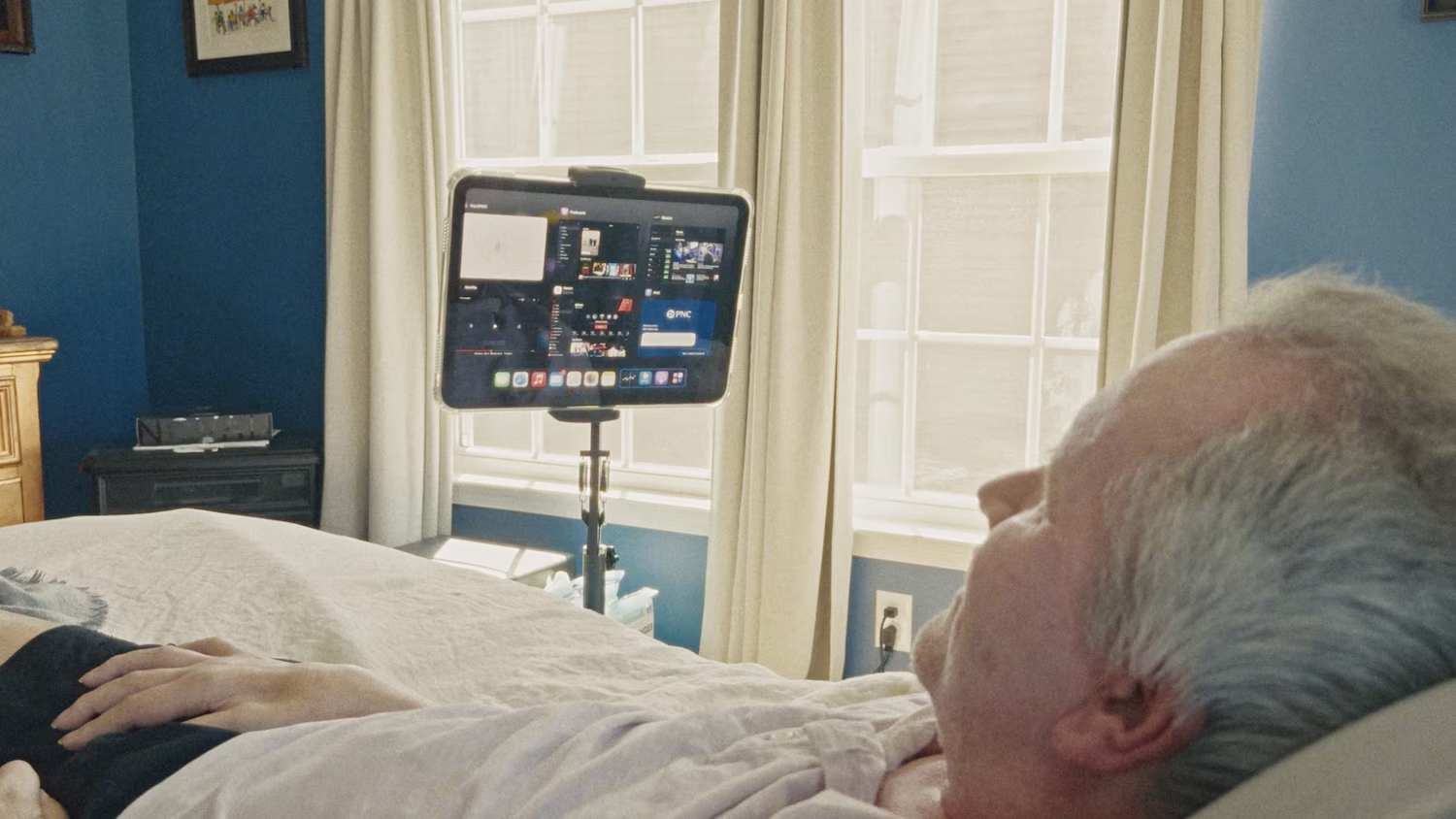
New patient tools are also transforming care. Devices and apps help people regain mobility, track recovery, and manage chronic conditions. These innovations reduce dependence on medications like opioids, promoting safer and more effective treatment options.
Health care experts note that these breakthroughs represent more than technology—they change how patients experience care. Faster surgeries, early diagnosis, and better rehabilitation tools improve quality of life and empower patients to take an active role in their recovery.
The adoption of these innovations has grown across hospitals and clinics nationwide. Medical teams are trained to use new robotic systems, while testing centers incorporate Alzheimer’s blood tests into routine screenings. Patients benefit from access to these advanced tools in both urban and rural areas.
Robotic surgery has particularly shown success in cardiac, orthopedic, and urologic procedures. Reduced complications and faster healing times have increased patient satisfaction and decreased hospital stays. Surgeons are also reporting higher efficiency in operating rooms, benefiting overall health care delivery.
Alzheimer’s blood tests have been praised by researchers and advocacy groups. Early detection allows families and doctors to plan ahead, access therapies, and participate in clinical trials. This step is considered a breakthrough in combating one of the most challenging neurological diseases of our time.
Patient-centered tools are expanding beyond mobility. Smart devices track vital signs, monitor medication schedules, and provide feedback for rehabilitation exercises. These technologies aim to reduce hospital visits, lower health care costs, and give patients more independence.
Experts say the combination of these breakthroughs reflects a broader trend in medicine: integrating technology with personalized care. Health care is becoming more precise, proactive, and focused on outcomes that matter to patients.
Overall, the medical breakthroughs of 2025 continue to have a strong impact on U.S. health care. Robotic surgeries, Alzheimer’s blood tests, and innovative patient tools are improving outcomes, empowering patients, and shaping the future of medicine.

